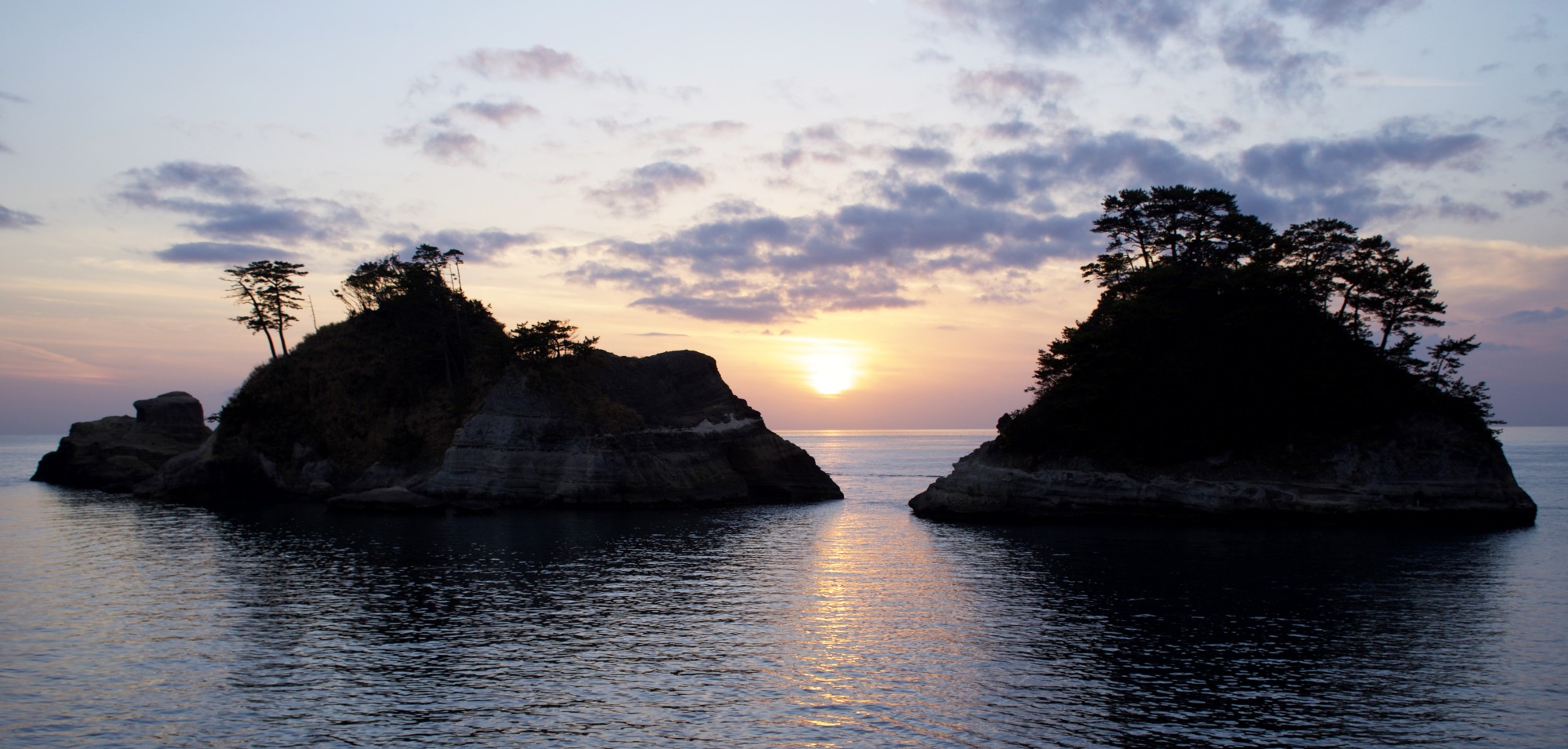
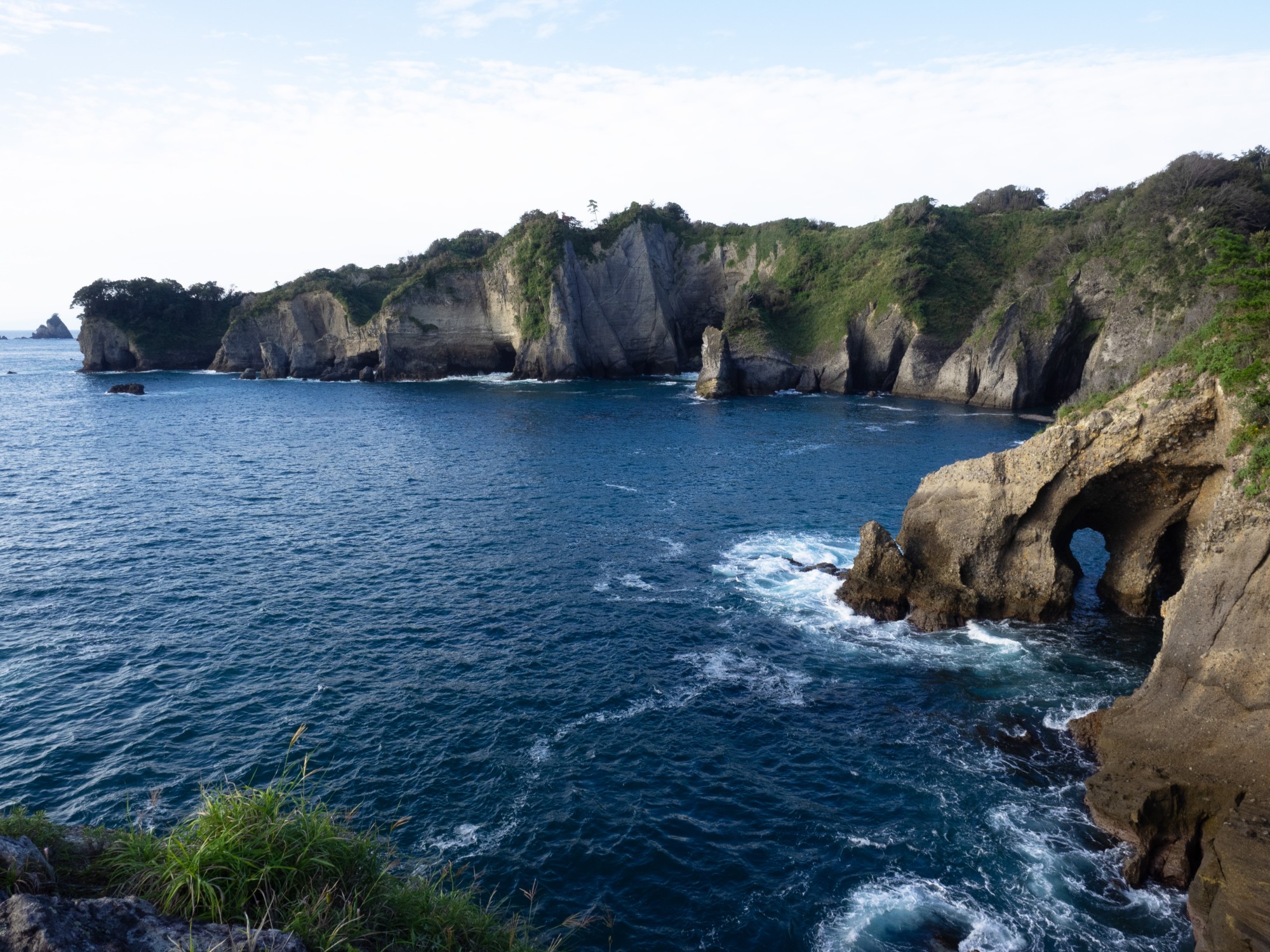
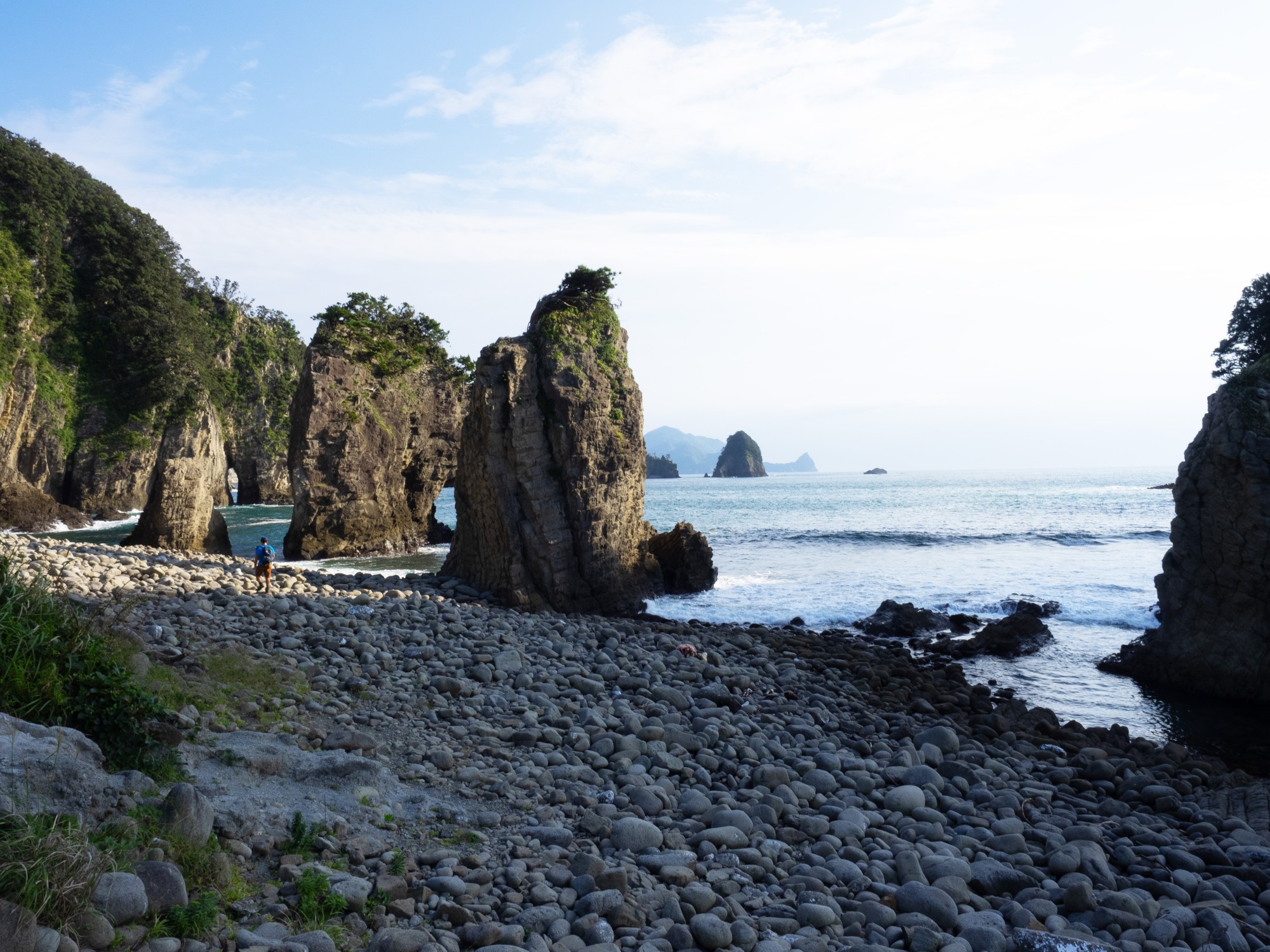
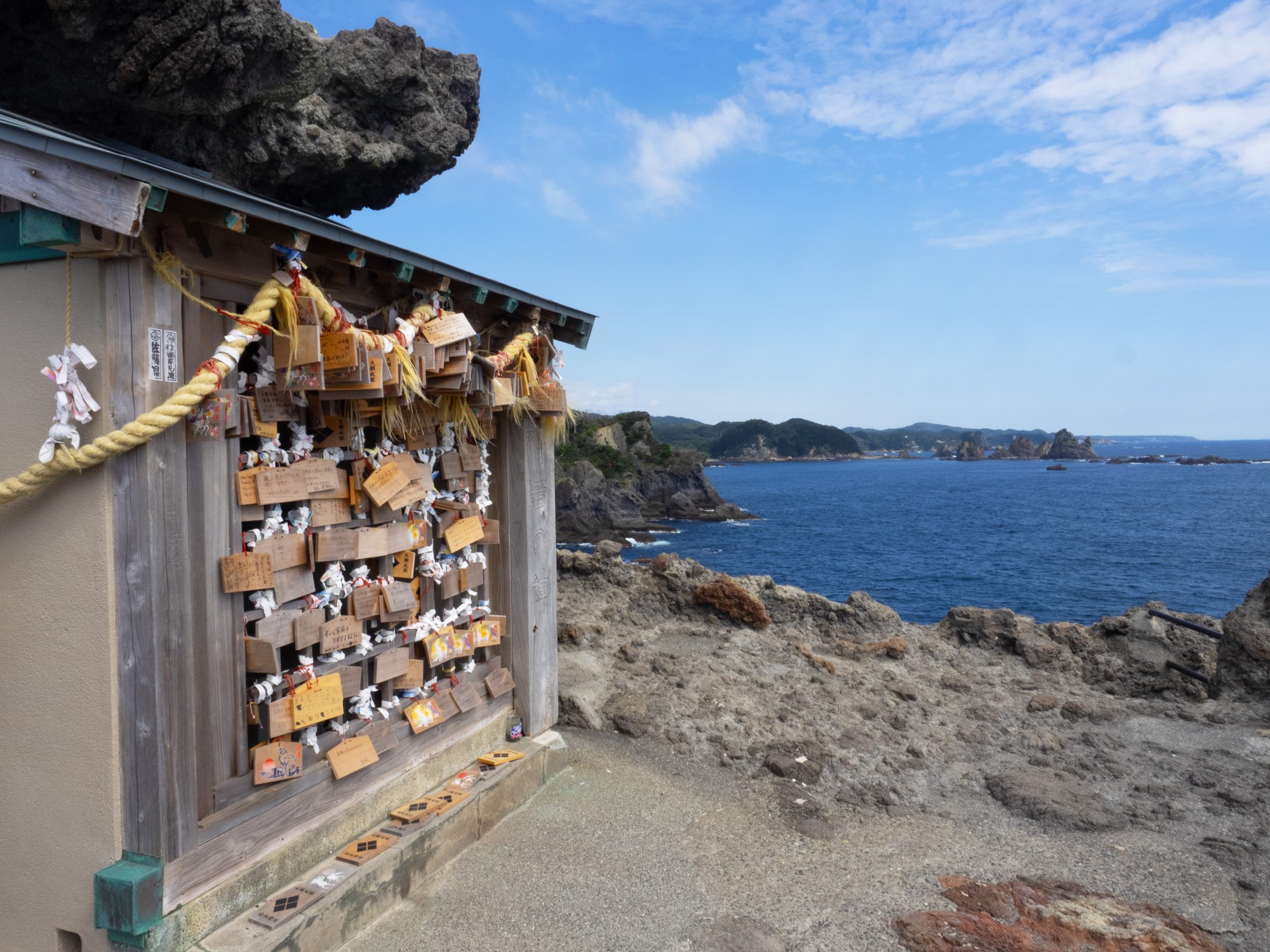
A self-guided tour exploring the extraordinarily rich geology and history of the Izu Peninsula. Over millions of years, submarine volcanic activity and the movement of tectonic plates have created the peninsula’s attractive and unique landscape. This, combined with the sometimes epoch-making historic connections to the West and warmly welcoming locals, make Izu an enjoyable and fascinating destination.
March - June & September - November
The Izu Wayfarer is a self-guided tour suitable for anyone who is a regular walker in reasonable health and able to participate in more than four to six hours of walking. The route is hilly and mostly follows forest trails. This is an Activity Level four and Technical Level three tour. Please read more on Tour Levels here.
The Izu Wayfarer is a 6-day, 5-night tour starting in Izu Kogen and finishing in Dogashima. Accommodation is in Japanese inns and hotels. Please read more on accommodation here. For more information, please contact us.
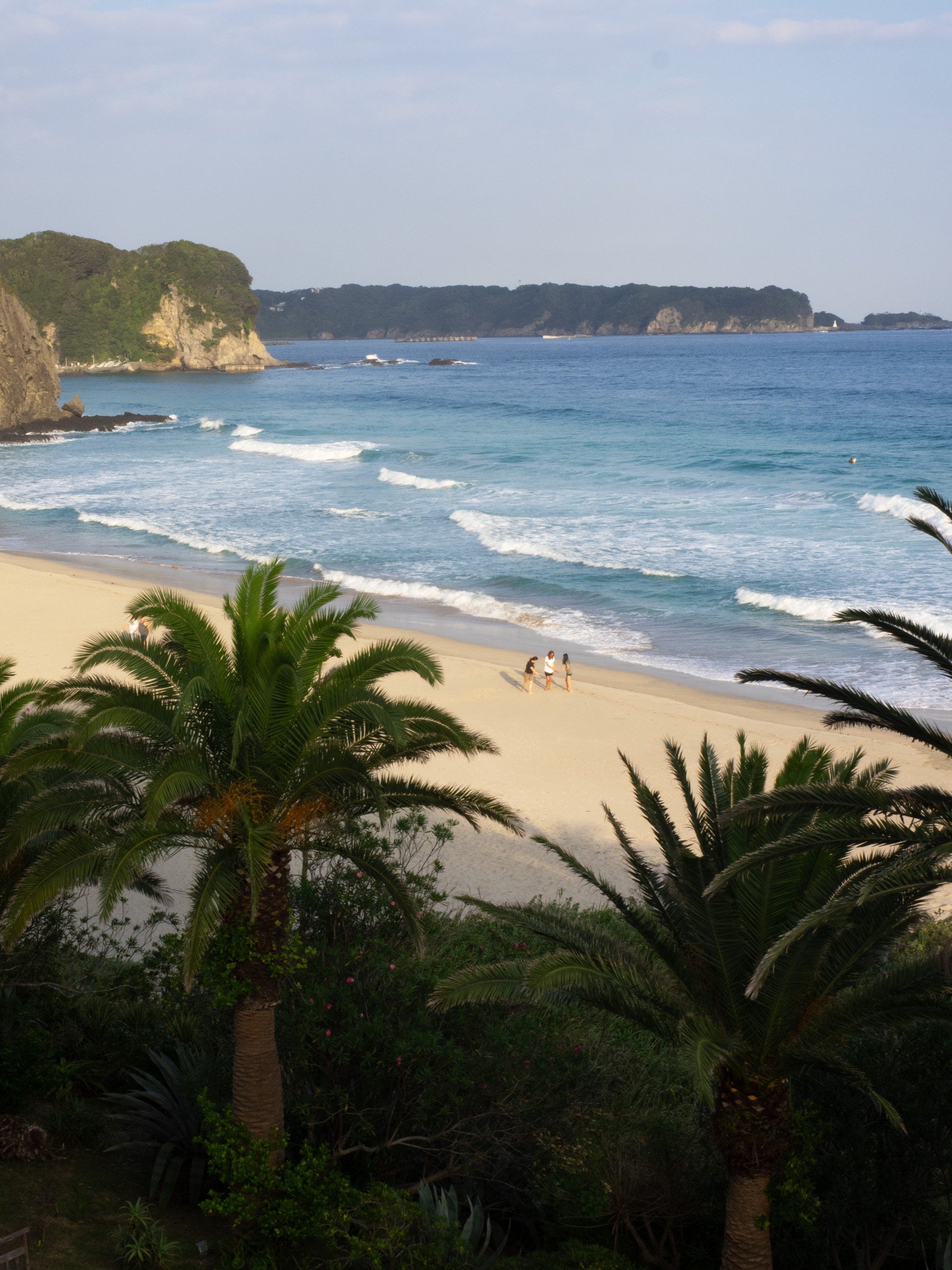
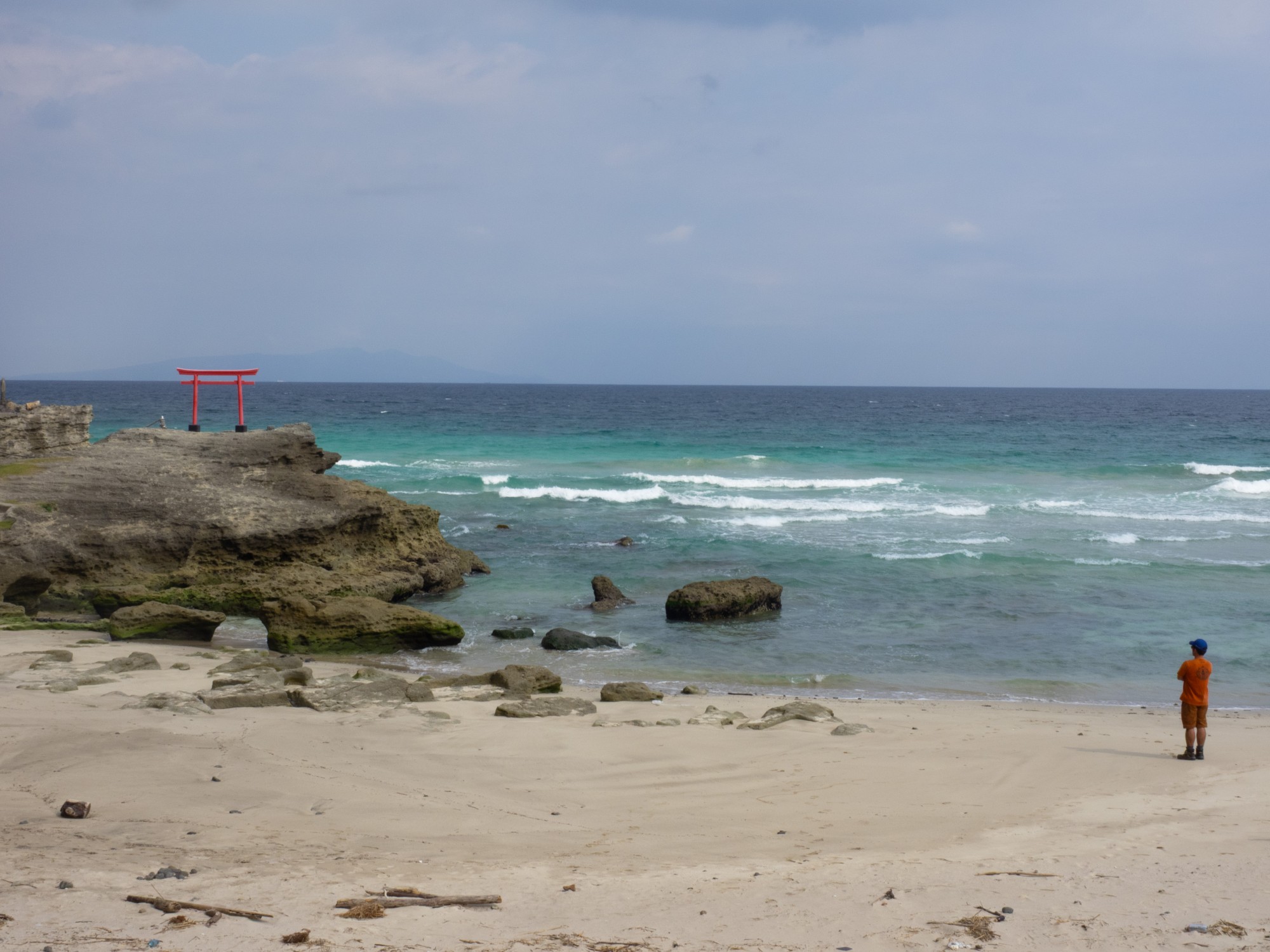
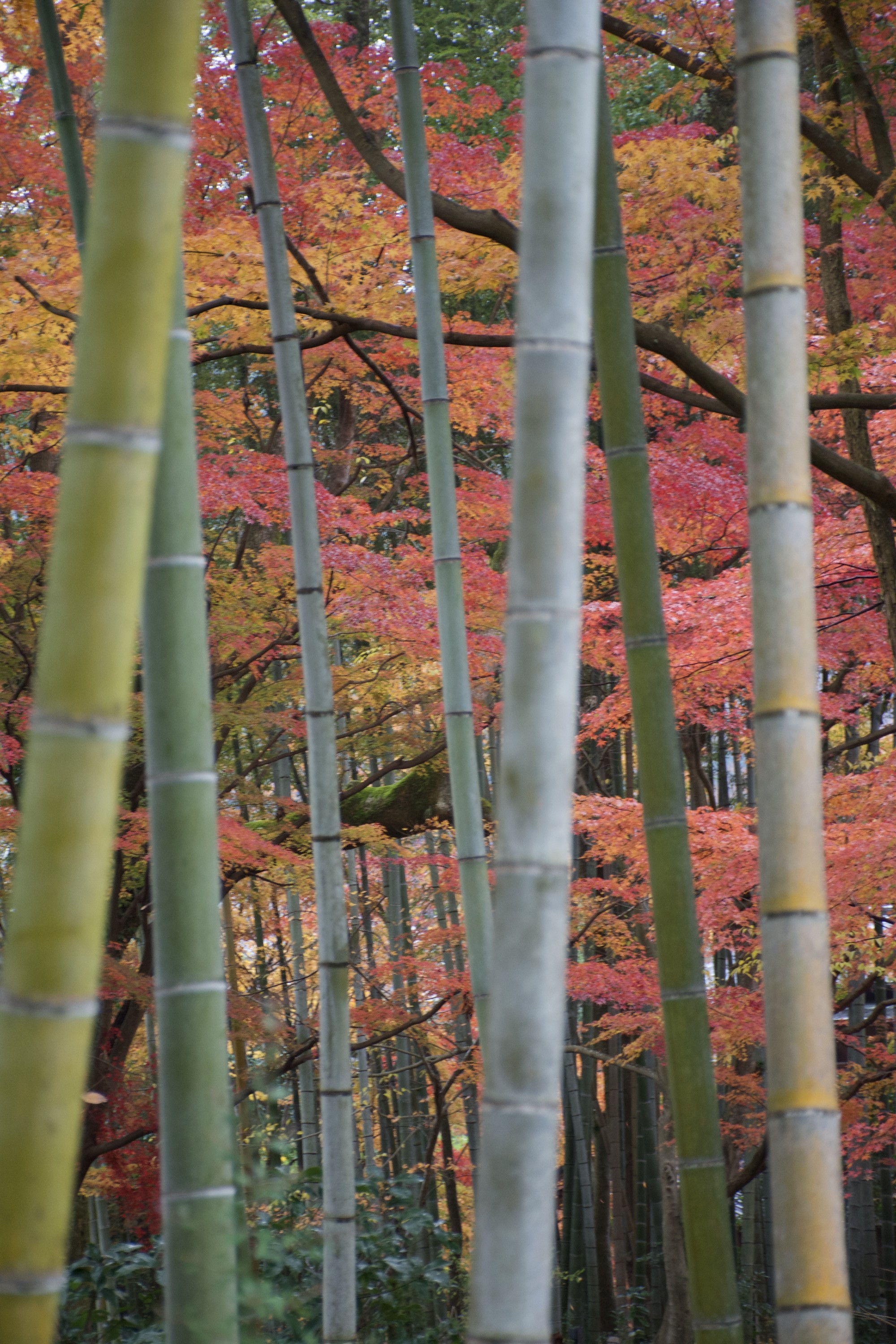
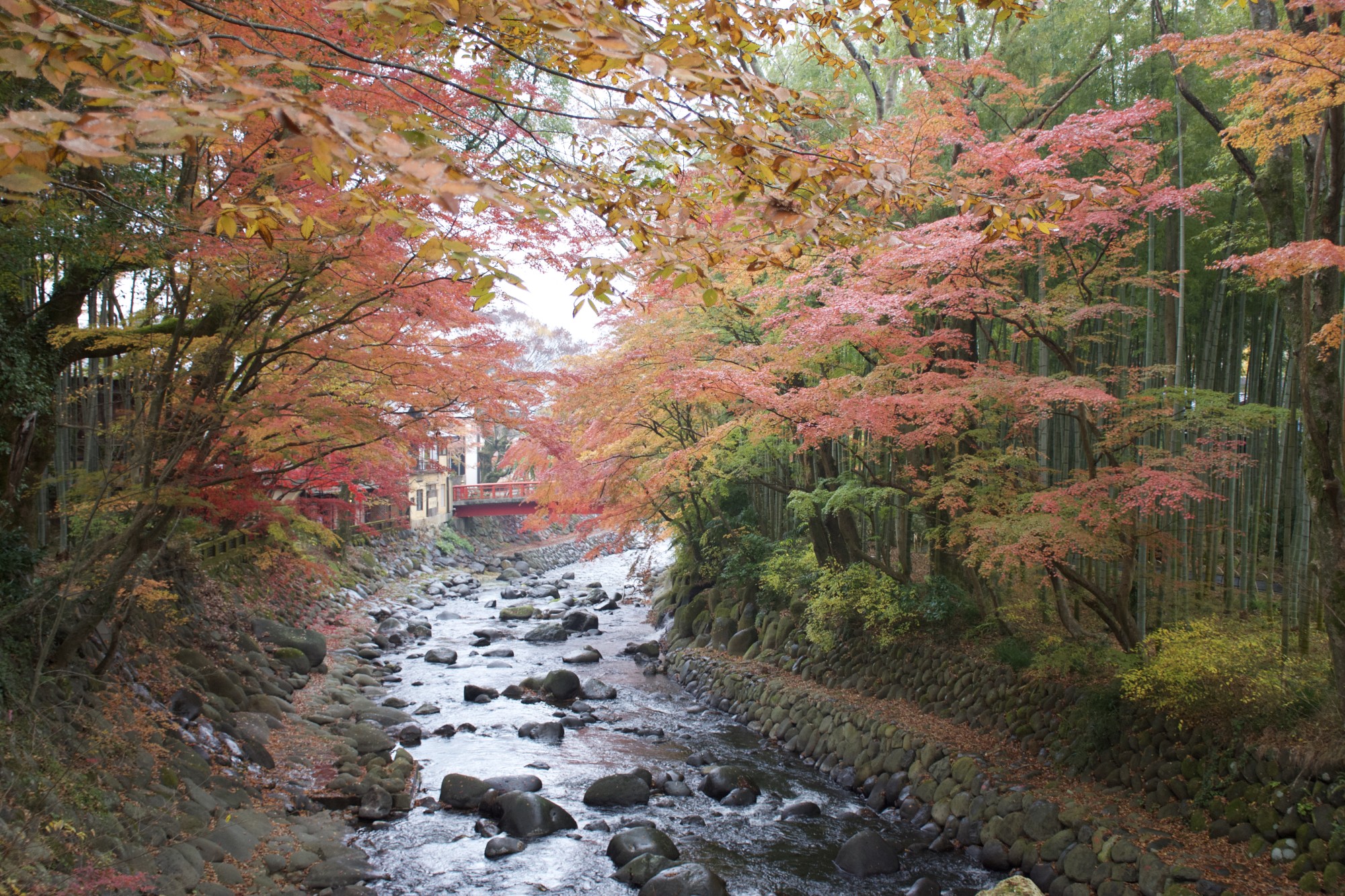
Although only a short express train ride from Tokyo, the Izu Peninsula is a very different world where the pace of life is relaxed, the surrounding oceans dominate the views and provide an abundance of seafood, and the climate is comfortably just short of being sub-tropical. From its northern entrance to its southern tip the peninsula provides one glorious view after another of the shimmering Pacific, white sandy beaches, sheer basalt cliffs, picturesque fishing harbours, crystal clear rivers and waterfalls, verdant mountains and, on clear days, views to majestic Mt. Fuji. The flora is magnificent throughout much of the year including the cherry blossom, which is amongst the earliest to appear in Japan.
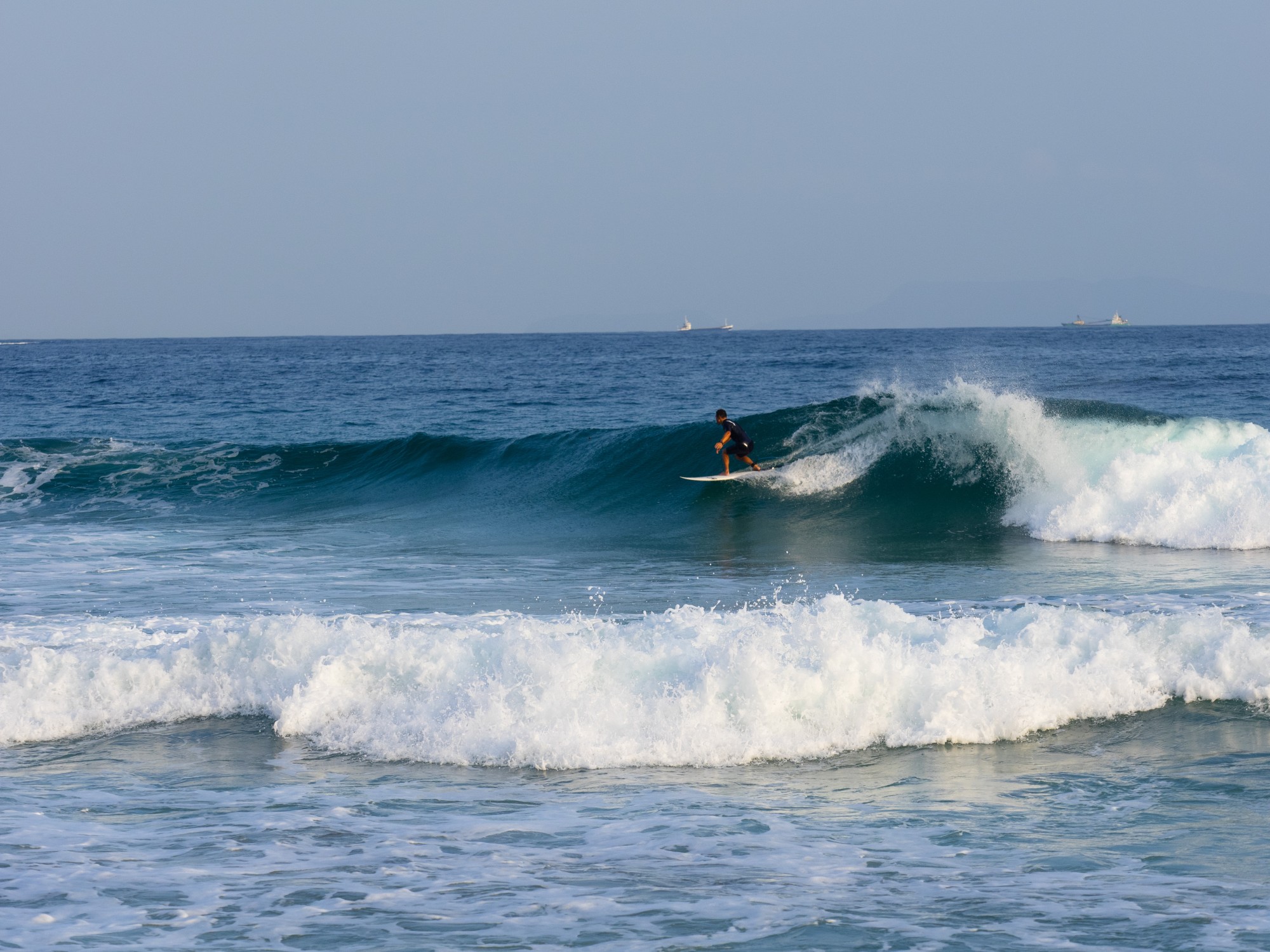
Visitors have been coming here for centuries and include William Adams, the first Englishman to venture to Japan in 1600 and whose extraordinary story was the inspiration for the novel and Hollywood TV series Shogun; Commodore Perry and his Kurofune Black Ship fleet, which first arrived in 1852 and was the catalyst for the demise of the samurai shogunate; and Yasunari Kawabata, Japan’s first winner of the Nobel Prize for Literature for his book The Izu Dancer, written after his visit in 1918. Today, the peninsula is very popular amongst surfers, yachting enthusiasts, onsen hot spring lovers, fans of Japanese literature and gourmands.
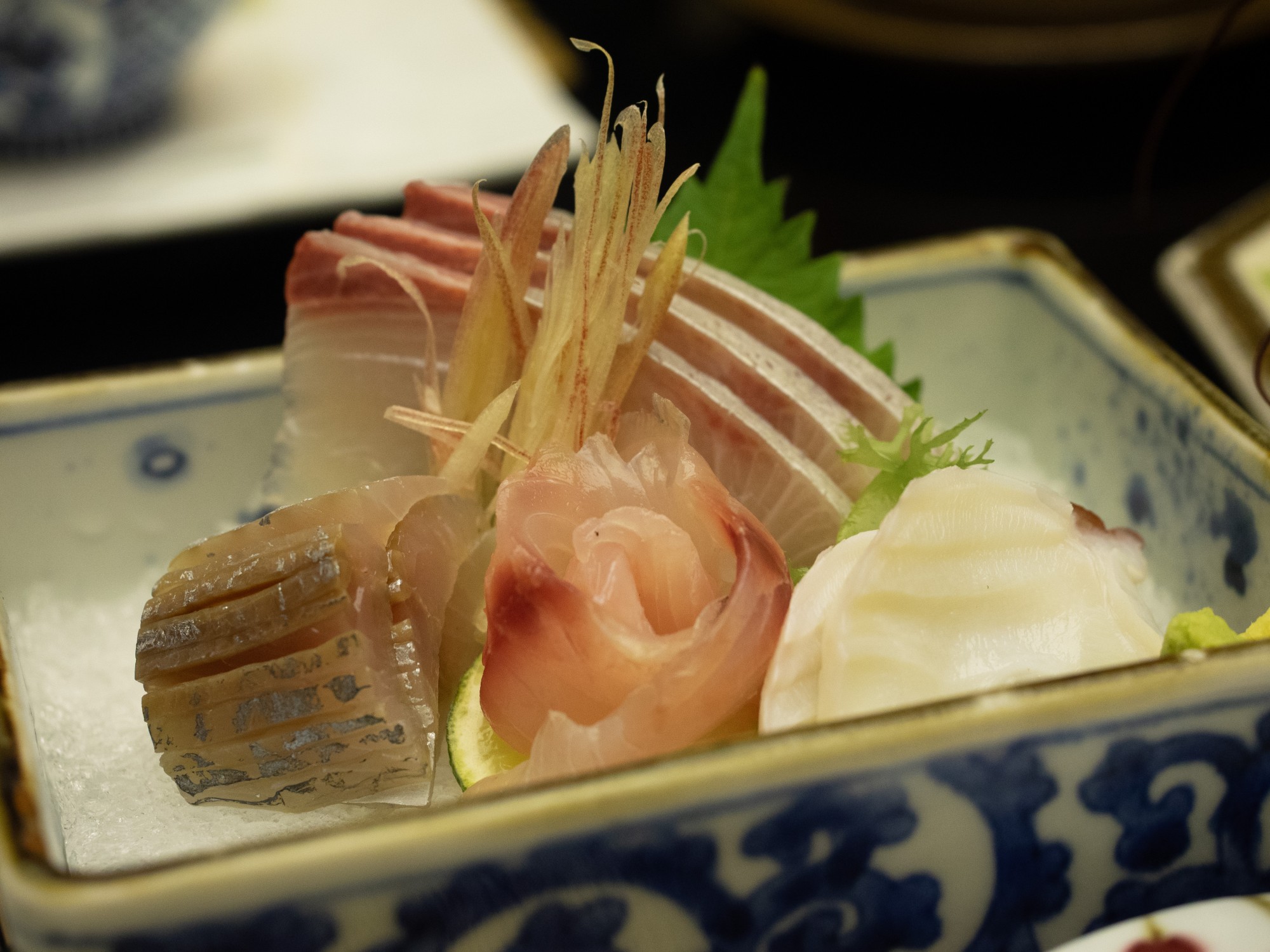
Your journey follows lesser-travelled coastal and mountain trails heading south on Izu’s east coast before returning north along its west coast. Throughout we relish onsen hot spring baths and delicious meals made with ingredients sourced from Izu’s fertile hinterland and even more fertile surrounding deep seas.
The Izu Wayfarer starts in Izu Kogen, which is easily reached by train from many major cities including Tokyo and Kyoto. The Izu Wayfarer includes easy-to-follow, detailed instructions on how to join and prepare for the tour. The daily walking distance is between 12–18km (7.5–11.3 miles) and options are provided to lengthen or shorten each day’s itinerary to suit your energy levels. There are several climbs to be negotiated along the route but these can be walked at a comfortable pace to reach the top. Your main baggage, sent ahead by courier, is with you each evening for every night of the tour.
A pre-tour pack. Each pack should answer most, if not all, of the questions you may have and includes such details as how to prepare for your Wayfarer tour, how to travel from your arrival point in Japan to the accommodation on the tour's first night, an accommodation list, and travel advice. Upon receipt of a completed manifest form, your pre-tour pack will be made available for online viewing approximately two months prior to the start date of your tour. It can also be downloaded as a PDF file for offline use.
An easily portable Wayfarer Route Booklet is provided on arrival at your first night’s accommodation. This includes detailed walking directions and logistical information including maps, photographs and site-specific information such as restaurant and cafe recommendations, museum and gallery recommendations, and historical points of interest. A rain-resistant pouch and shoulder strap are also provided for ease of carrying the booklet while walking.
Click here for a sample of the Wayfarer booklet.
5 nights' accommodation, 5 breakfasts, and 5 dinners.
Main baggage transfer between your accommodation.
Three reserved taxi transfers to the start of some walks.
In-country (Japan), English-language support for the duration of the tour.
Not included are flights, all lunches and drinks with meals, and taxi transfers other than those noted above. Please note that Wayfarer self-guided tours sometimes require transfers by public buses and/or trains that are not included in the tour price. This is either because it is not possible to reserve them in advance or to allow maximum flexibility for tour participants. For further details please contact us.
The Izu Wayfarer is a 6-day, 5-night tour starting in Izu Kogen and finishing in Dogashima. Accommodation is in Japanese inns and hotels. Please read more on accommodation here. For more information, please contact us.
Although only a short express train ride from Tokyo, the Izu Peninsula is a very different world where the pace of life is relaxed, the surrounding oceans dominate the views and provide an abundance of seafood, and the climate is comfortably just short of being sub-tropical. From its northern entrance to its southern tip the peninsula provides one glorious view after another of the shimmering Pacific, white sandy beaches, sheer basalt cliffs, picturesque fishing harbours, crystal clear rivers and waterfalls, verdant mountains and, on clear days, views to majestic Mt. Fuji. The flora is magnificent throughout much of the year including the cherry blossom, which is amongst the earliest to appear in Japan.
Visitors have been coming here for centuries and include William Adams, the first Englishman to venture to Japan in 1600 and whose extraordinary story was the inspiration for the novel and Hollywood TV series Shogun; Commodore Perry and his Kurofune Black Ship fleet, which first arrived in 1852 and was the catalyst for the demise of the samurai shogunate; and Yasunari Kawabata, Japan’s first winner of the Nobel Prize for Literature for his book The Izu Dancer, written after his visit in 1918. Today, the peninsula is very popular amongst surfers, yachting enthusiasts, onsen hot spring lovers, fans of Japanese literature and gourmands.
Your journey follows lesser-travelled coastal and mountain trails heading south on Izu’s east coast before returning north along its west coast. Throughout we relish onsen hot spring baths and delicious meals made with ingredients sourced from Izu’s fertile hinterland and even more fertile surrounding deep seas.
The Izu Wayfarer starts in Izu Kogen, which is easily reached by train from many major cities including Tokyo and Kyoto. The Izu Wayfarer includes easy-to-follow, detailed instructions on how to join and prepare for the tour. The daily walking distance is between 12–18km (7.5–11.3 miles) and options are provided to lengthen or shorten each day’s itinerary to suit your energy levels. There are several climbs to be negotiated along the route but these can be walked at a comfortable pace to reach the top. Your main baggage, sent ahead by courier, is with you each evening for every night of the tour.
What is included?
A pre-tour pack. Each pack should answer most, if not all, of the questions you may have and includes such details as how to prepare for your Wayfarer tour, how to travel from your arrival point in Japan to the accommodation on the tour's first night, an accommodation list, and travel advice. Upon receipt of a completed manifest form, your pre-tour pack will be made available for online viewing approximately two months prior to the start date of your tour. It can also be downloaded as a PDF file for offline use.
An easily portable Wayfarer Route Booklet is provided on arrival at your first night’s accommodation. This includes detailed walking directions and logistical information including maps, photographs and site-specific information such as restaurant and cafe recommendations, museum and gallery recommendations, and historical points of interest. A rain-resistant pouch and shoulder strap are also provided for ease of carrying the booklet while walking.
Click here for a sample of the Wayfarer booklet.
5 nights' accommodation, 5 breakfasts, and 5 dinners.
Main baggage transfer between your accommodation.
Three reserved taxi transfers to the start of some walks.
In-country (Japan), English-language support for the duration of the tour.
What is not included?
Not included are flights, all lunches and drinks with meals, and taxi transfers other than those noted above. Please note that Wayfarer self-guided tours sometimes require transfers by public buses and/or trains that are not included in the tour price. This is either because it is not possible to reserve them in advance or to allow maximum flexibility for tour participants. For further details please contact us.
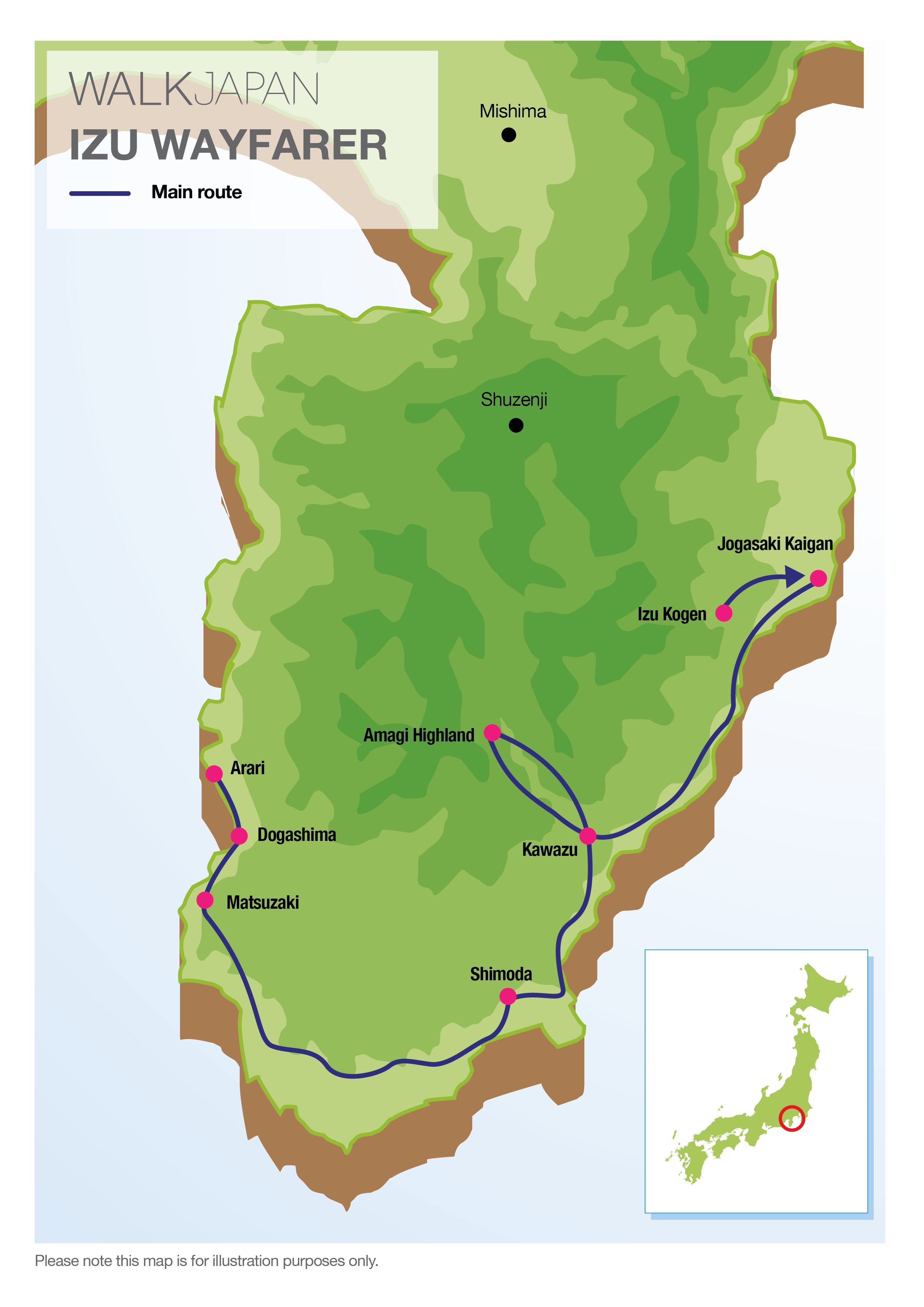
The itinerary for the Self-guided Izu Wayfarer is ground-only beginning in Izu Kogen and ending in Dogashima.
The journey to the Izu Peninsula is easily made from many destinations in Japan including Tokyo, Nagoya and Kyoto by both the Shinkansen bullet and local trains. Our recommendation from Tokyo is to enjoy the journey on the impressive Saphir Odoriko luxury express. Your tour officially begins at Izu Kogen but if you intend to arrive early, you may like to stop off at Ito, a popular seaside town to visit the site which commemorates William Adams’ achievement in constructing two galleons between 1607 and 1608 under the orders of the great shogun, Tokugawa Ieyasu. For this he was made hatamoto, a ranking samurai with a small fief, one of only two westerners ever to achieve such a high status. Adams’ fascinating story is the inspiration for Shogun, James Clavell’s hit novel and Hollywood TV series.
For a more energetic pre-tour activity, at Izu Kogen ride the ropeway up Mt. Omuro, a classic cone-shaped volcano, to follow a trail around its crater. On a fine weather day, Mt. Fuji may be visible in the distance across the peninsula. A 3km path leads back down to your accommodation.
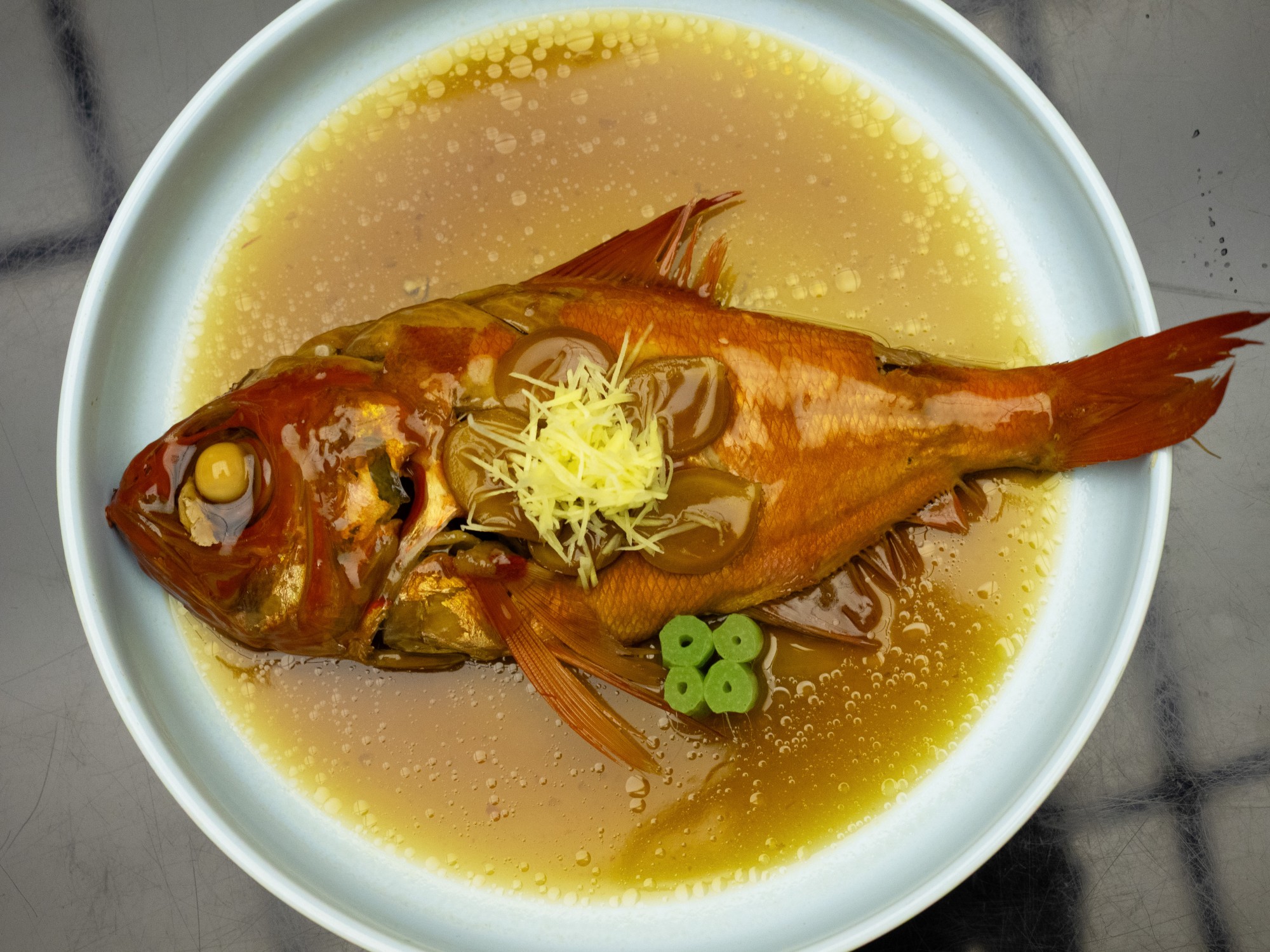
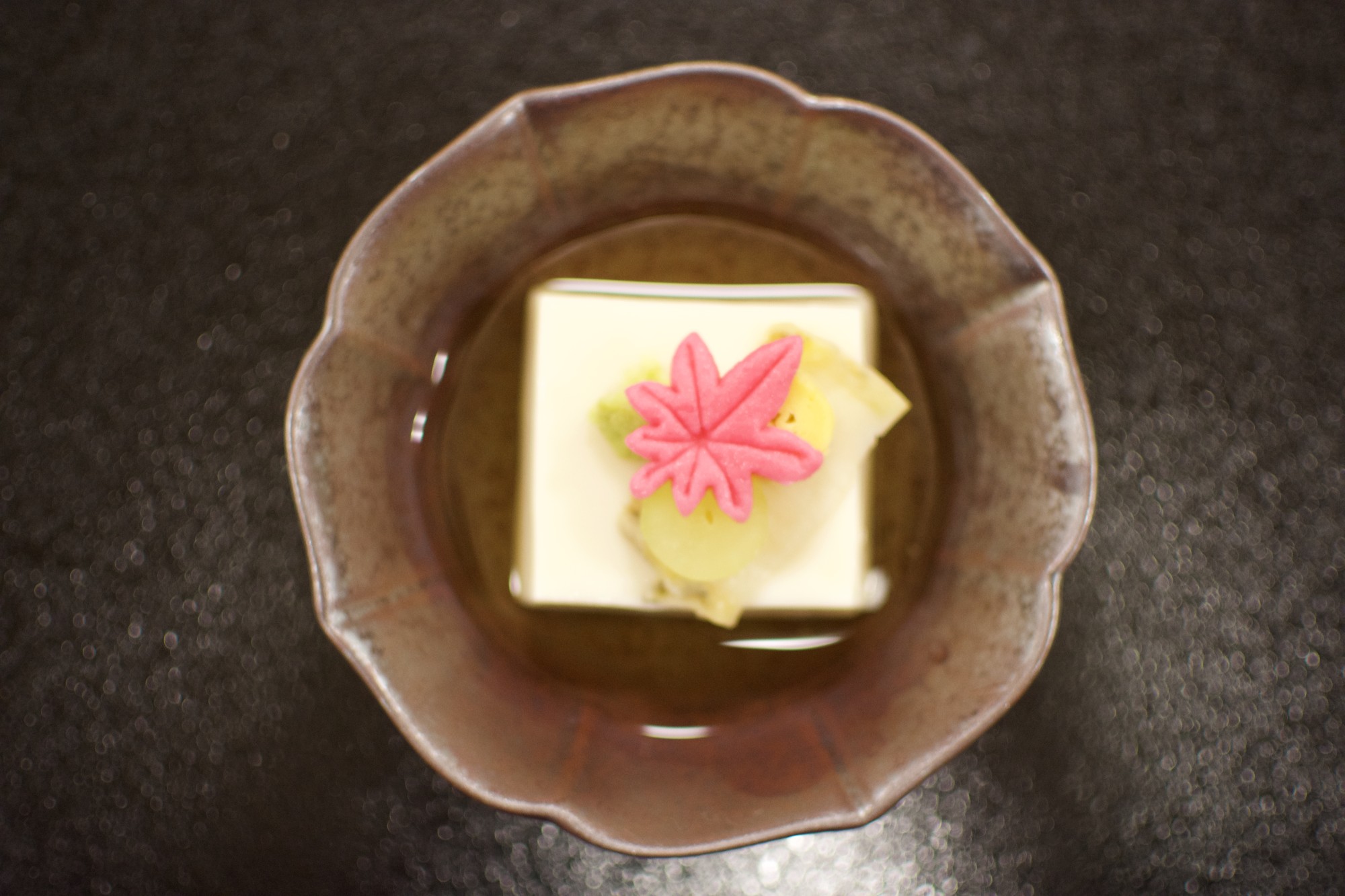
Your accommodation tonight, a traditional Japanese inn, boasts onsen hot spring baths, a signature element of this tour, to luxuriate in before enjoying a delicious spread of seasonal local dishes for dinner. Post-dinner, onsen aficionados will appreciate the local public onsen baths, which have impressive tiered outdoor pools and is known for its volcanic clay that purifies and rejuvenates the skin.
Accommodation: Traditional Japanese inn.
Meals: Dinner provided.
Total walking (Optional walk for early arrivals): 4.3km (2.7 miles).
Total elevation gain: 38m (125ft).
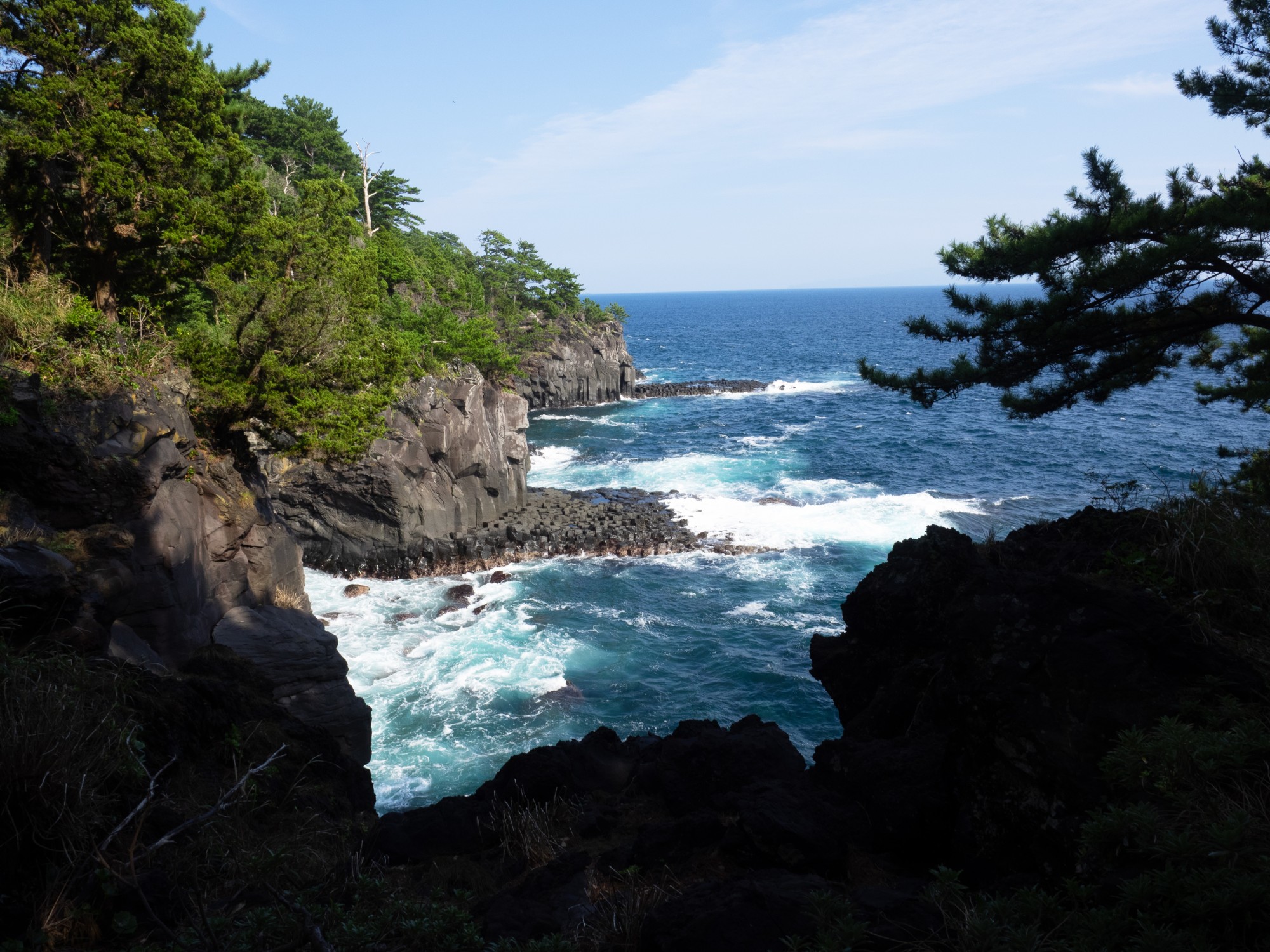
After breakfast, stroll through town on the Shimoda Kaido, an ancient thoroughfare that connected the Izu Peninsula to the renowned Tokaido highway for onward travel to Edo. Although little remains of its feudal past, this route was once pivotal in transporting shipbuilding supplies, including those for Adams’ endeavours at Ito. Today, you explore the Jogasaki coast following an undulating trail through pine forests. The spectacular high cliffs here, which were formed by lava flows from Mt. Omuro and subsequently weathered by crashing seas, provide vistas across the blue Pacific Ocean.
Along the way are the impressive grounds of a temple that pays tribute to Nichiren, the 13th Century Buddhist monk who promoted The Lotus Sutra. The temple is also known for a Jizo bodhisattva that reputedly cures dementia and a 1,000-year old yamamomo bayberry tree.
Lunch is a picnic enjoyed at a popular fishing spot with expansive ocean views. Your path continues through a series of small coastal settlements until reaching a railway station, where you board a train following the coastline south to Kawazu. Your accommodation for the next two nights, found just outside town and reached by public bus, is a comfortable Japanese inn with onsen hot spring baths and delicious meals.
Accommodation: Traditional Japanese inn with onsen hot spring baths.
Meals: Breakfast & dinner provided.
Total walking: 13km (8.1 miles).
Total elevation gain: 320m (1050ft).
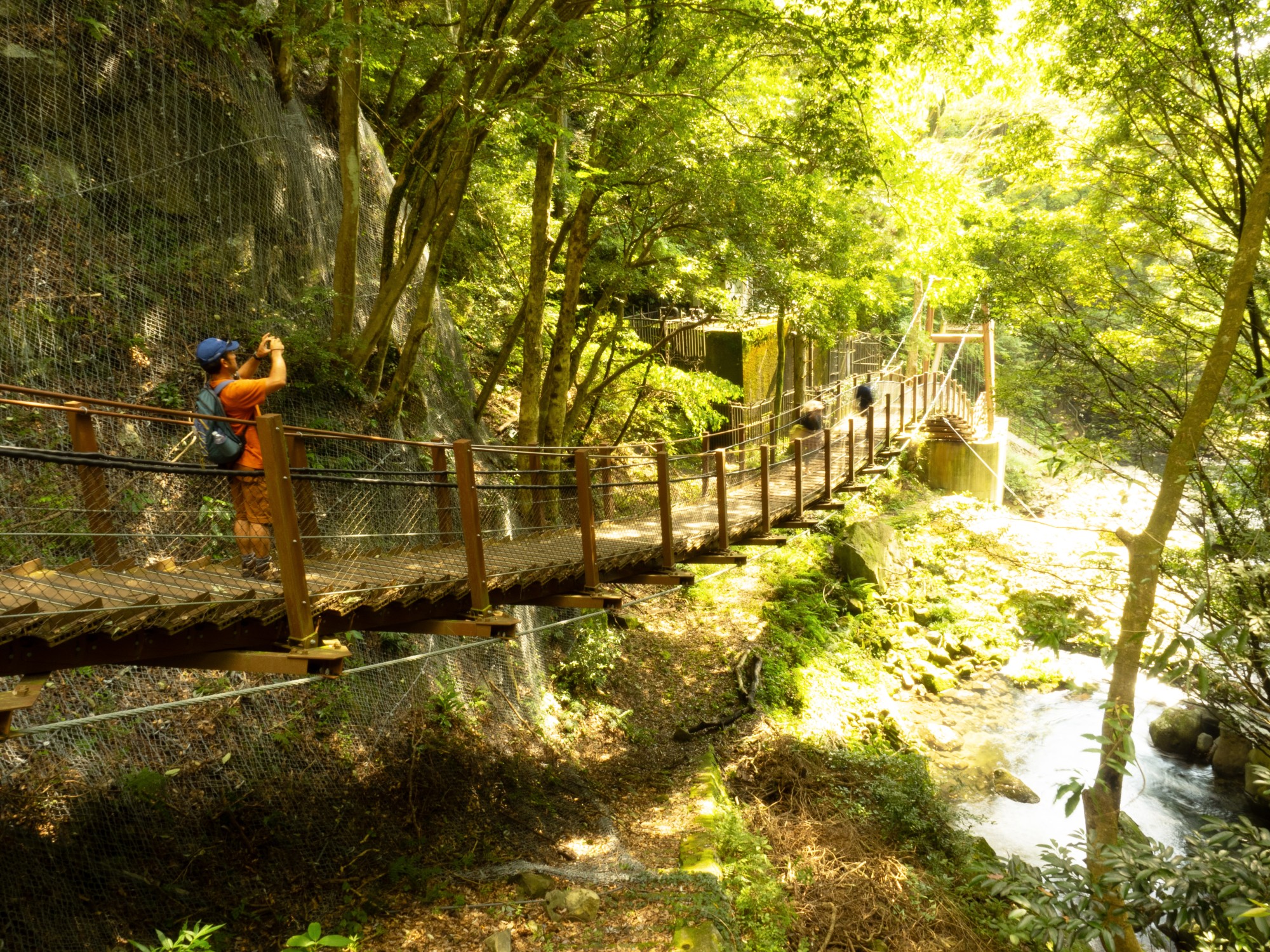
A vehicle transfer brings you to the Amagi Highlands, which is situated in the middle of the mountain range that rises like a spine along the length of the Izu Peninsula. Your walk today largely follows an ancient highway now known as the Odoriko Trail in homage to Yasunari Kawabata's book The Izu Dancer. Nature's power, evident in the solidified lava flows and tumbling pristine waters that feature as themes today, is everywhere as you enjoy your day’s walking.
Wasabi Japanese horseradish, the pungent spicy ingredient essential to Japanese cuisine, grows in pools lining the route. Wasabi is very hard to cultivate but conditions on the peninsula are ideal, making it the single largest source in Japan.
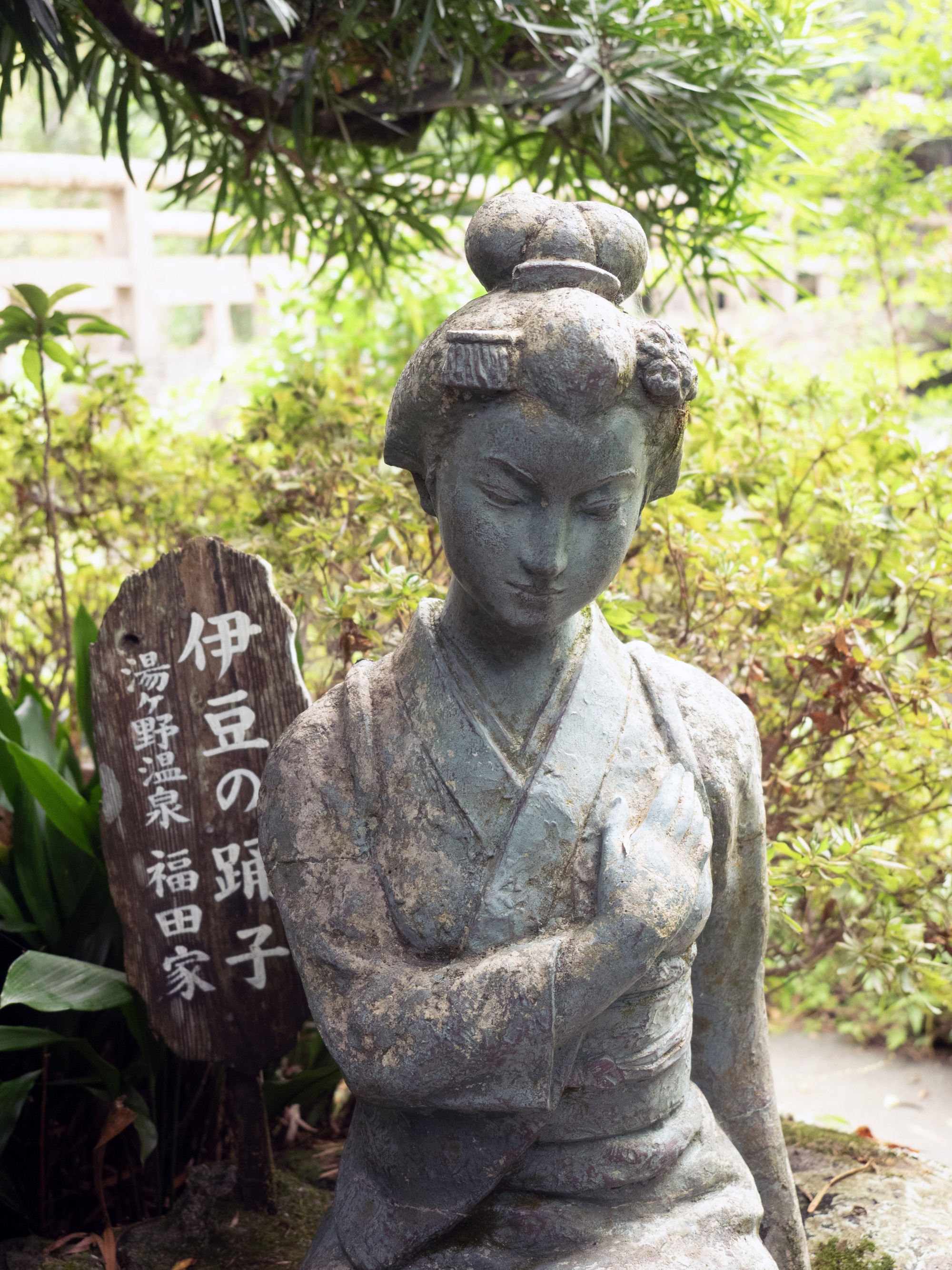
Along the way is the historic Amagi Tunnel, an iconic site for fans of Kawabata's The Izu Dancer in which it features prominently. Beyond are the famed Nanadaru, a series of seven waterfalls. A statue of Kawabata's enamoured couple, the youthful protagonist and younger dancer, is aptly placed at one of the most scenic spots, where couples young and older pose for photographs. Return on foot or by local bus for the second night at your accommodation in Kawazu.
Accommodation: Traditional Japanese inn with onsen hot spring baths.
Meals: Breakfast & dinner provided.
Total walking: 20km (12.4 miles).
Total elevation gain:471m (1545ft).
A taxi transfers you to the start of your walk along a coastal path at a wide sandy beach, a popular swimming spot and breeding ground for sea turtles. On the way you pass by a steep sand dune popular with children and adults alike as a sledding spot and sea cave said to house a sea dragon. A couple of sleepy fishing ports add a lovely colour to today’s scenery.
A local bus takes you on to Shimoda where, in 1854, Japan’s self-imposed seclusion from the rest of the world was forcibly ended. The gunship diplomacy of Commodore Perry's Kurofune Black Ships forced Japan into a series of unequal trading agreements with Western powers that later led to the end of the Edo Period (1603-1868) when the shogun resigned and the Emperor Meiji was returned to power. Shimoda is a pleasant town for leisurely strolling around and relaxing in one of its many cafes.
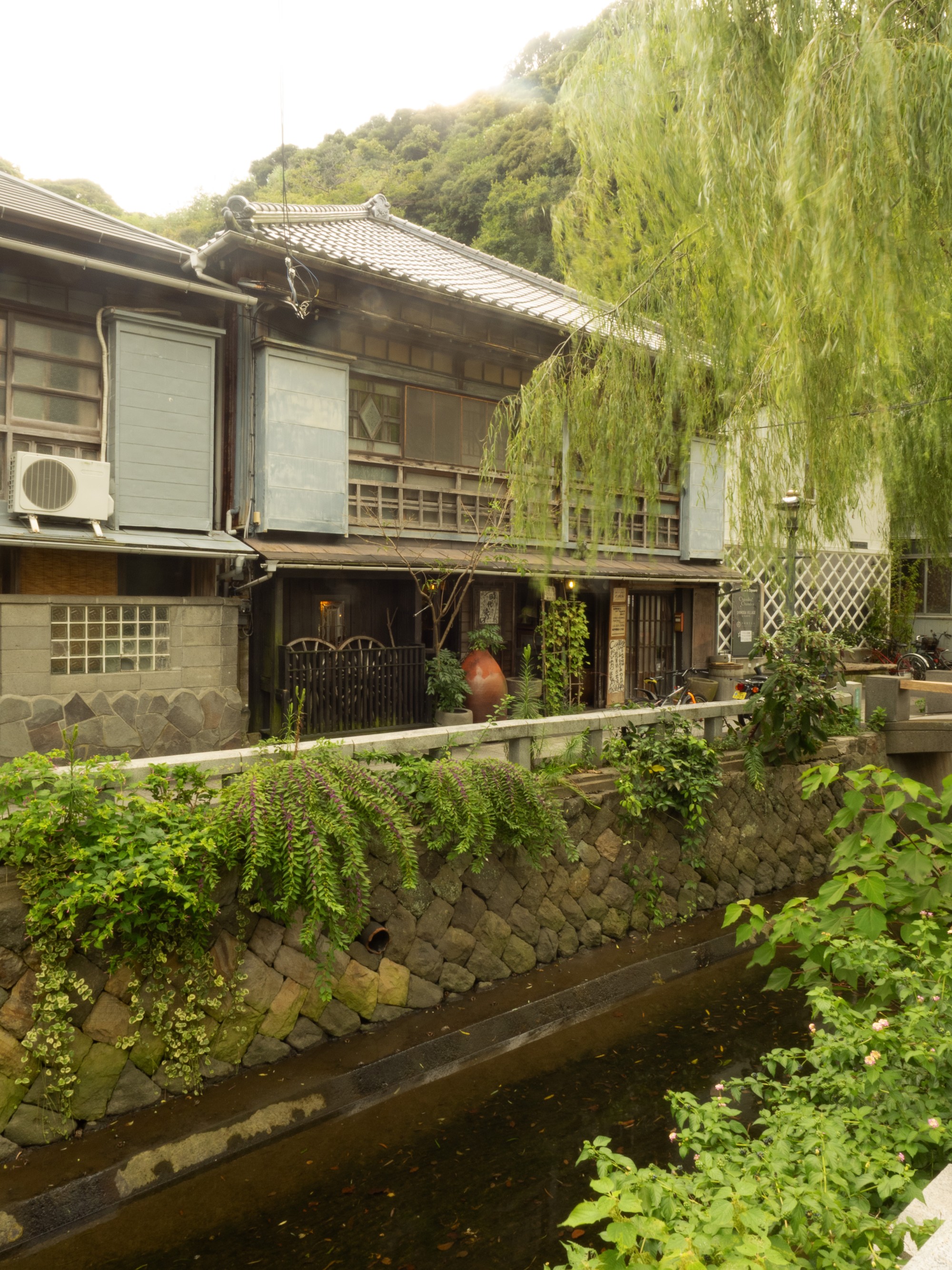
A late afternoon public bus whisks you up and over the mountains to Matsuzaki on the western side of the peninsula. Your accommodation tonight is an example of Matsuzaki's distinctive architectural style known for its nameko sea cucumber-patterned walls. Onsen baths are followed by another fine multi-course meal.
Accommodation: Traditional Japanese inn with onsen hot spring baths.
Meals: Breakfast & dinner provided.
Total walking: 13km (8.1 miles).
Total elevation gain: 196m (643ft).
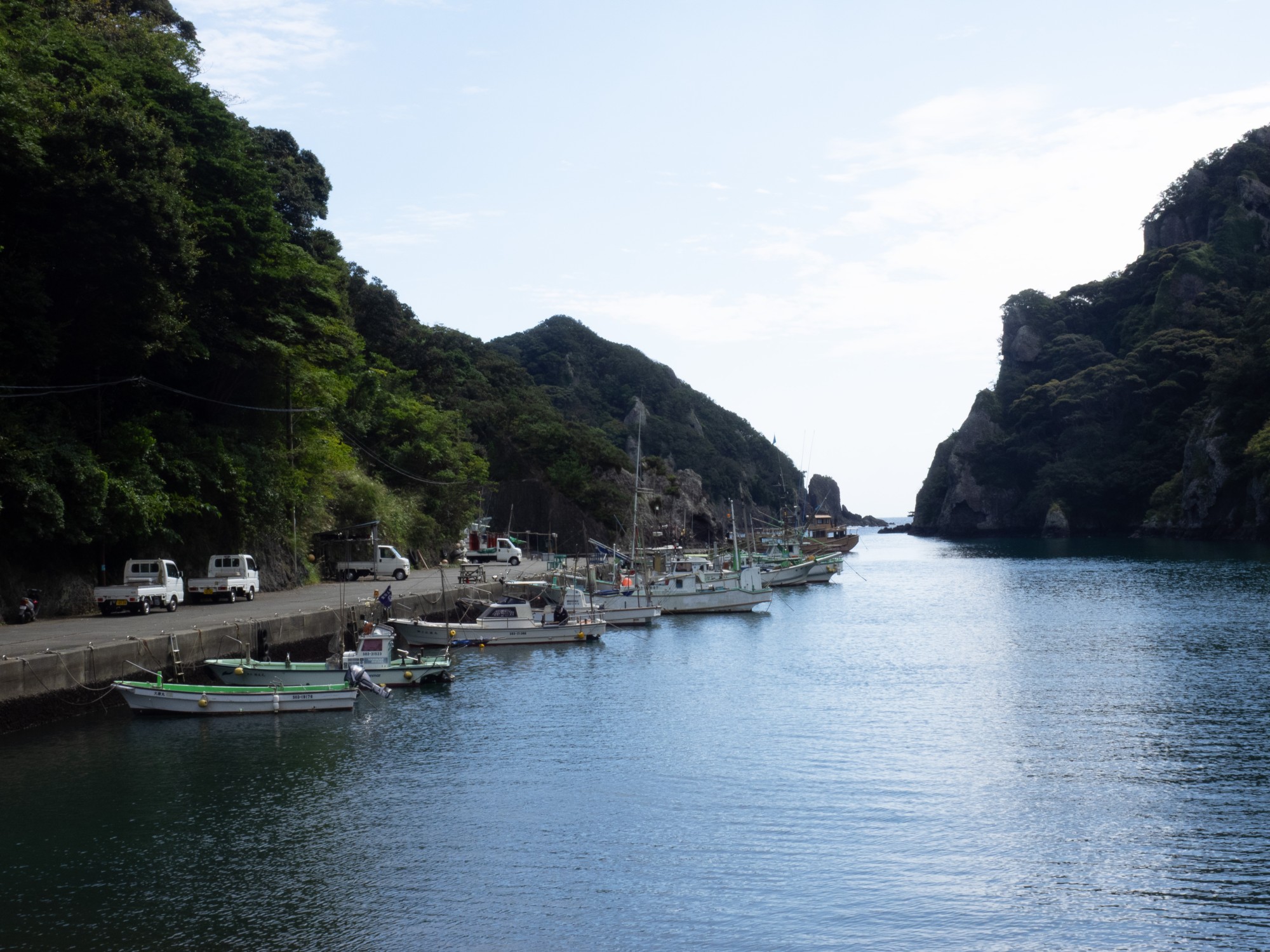
This morning, a taxi brings you to the start of your walk at nearby Arari, a tiny port known for ship repairs. Hidden coves and ports along this section of coast belie a long history of maritime intrigue; pirates secreting weapons and treasure, Russian ships hiding to avoid 19th Century American and European traders, and fast boats in lairs ready to make high-speed attacks during WWII. Arari itself remains a hub of ship recovery, most recently repairing many of the fishing vessels that were damaged by the 2011 Tohoku tsunami.
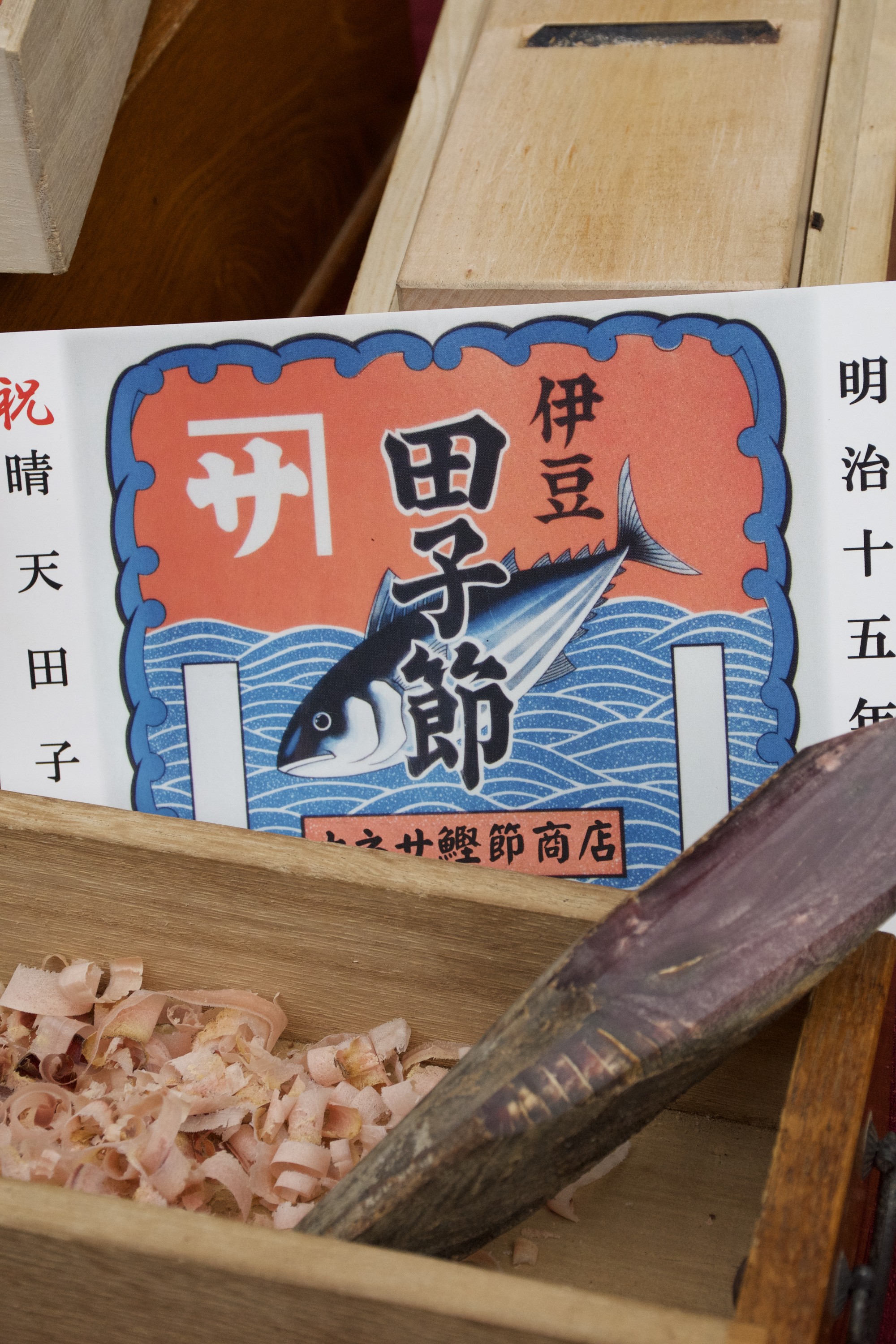
Your trail from here climbs up through mixed woodlands and cedar timber forest to a high ridgeline overlooking Suruga Bay and from where, on a fine day, Mt. Fuji soars gloriously over the sea. Aloe vera is grown in the area and can be seen flowering in the later autumn months. Descend to Tago, yet another charming small harbour known for katsuobushi dried bonito, also an essential ingredient of Japanese cuisine.
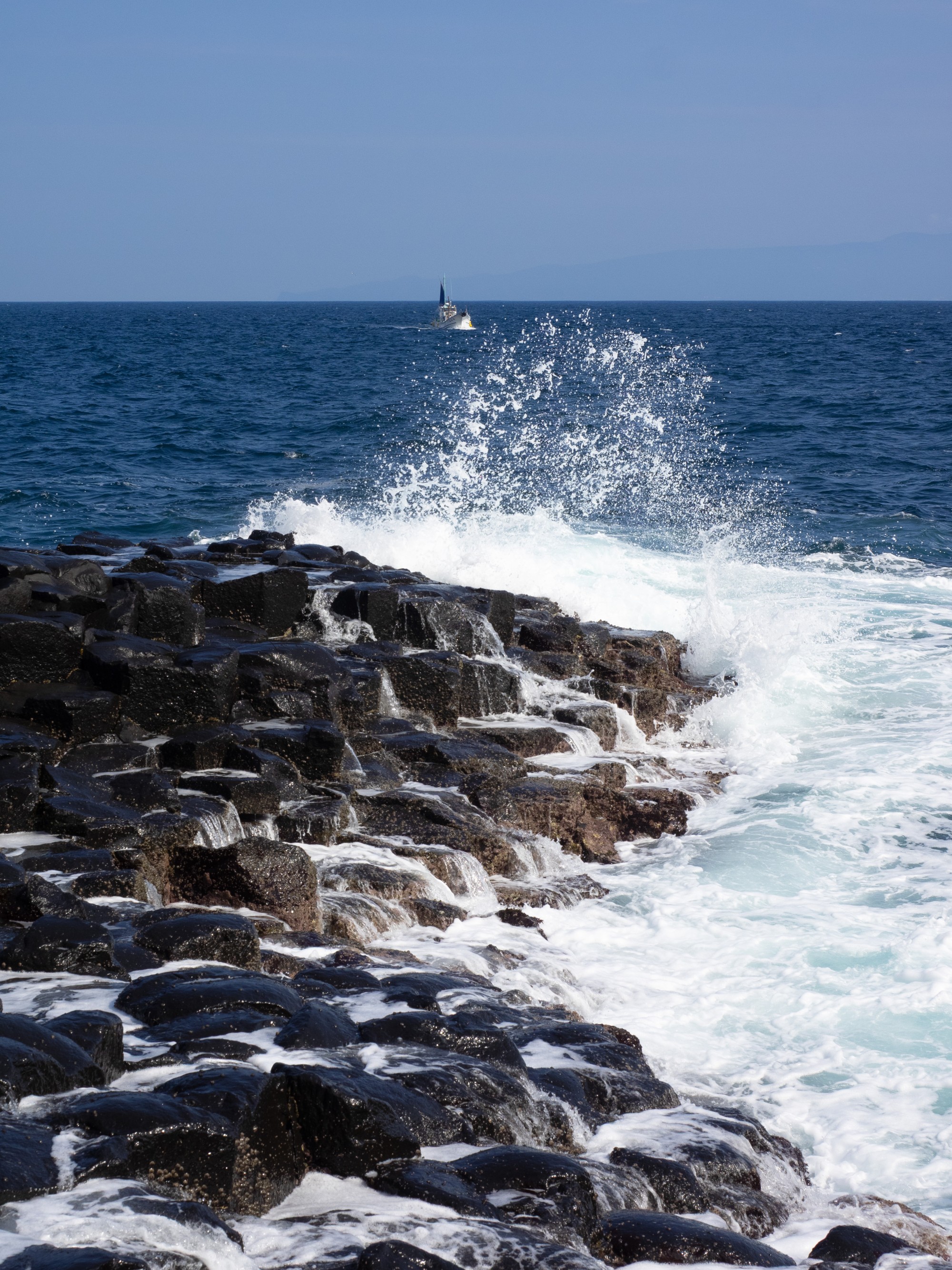
The trail rises through forest again to reach a ridge for more stupendous views of the surrounding seaside cliffs and crags. Local anglers may be seen in the distance, seeming to hang perilously on rocks that take the full brunt of crashing waves. Beyond is Dogashima and your accommodation, a larger resort-style hotel with open-air baths looking out across the Pacific Ocean. The final dinner of your tour, another feast of local fare, is enjoyed here.
Accommodation: Onsen hot spring resort.
Meals: Breakfast & dinner provided.
Total walking: 10.5km (6.5 miles).
Total elevation gain: 335m (1100ft).
Your tour finishes after breakfast and some time exploring Dogashima. Return journeys are made by local bus to Shuzenji for transfer by train to Mishima Station. From here, onward journeys to Tokyo, Kyoto, Hiroshima and other destinations in Japan are easily made by Shinkansen bullet train.
Accommodation: N/A.
Meals: Breakfast provided.
Total walking: N/A.
Total elevation gain: N/A.
This itinerary is subject to change.
Day 1 Izu Kogen
The journey to the Izu Peninsula is easily made from many destinations in Japan including Tokyo, Nagoya and Kyoto by both the Shinkansen bullet and local trains. Our recommendation from Tokyo is to enjoy the journey on the impressive Saphir Odoriko luxury express. Your tour officially begins at Izu Kogen but if you intend to arrive early, you may like to stop off at Ito, a popular seaside town to visit the site which commemorates William Adams’ achievement in constructing two galleons between 1607 and 1608 under the orders of the great shogun, Tokugawa Ieyasu. For this he was made hatamoto, a ranking samurai with a small fief, one of only two westerners ever to achieve such a high status. Adams’ fascinating story is the inspiration for Shogun, James Clavell’s hit novel and Hollywood TV series.
For a more energetic pre-tour activity, at Izu Kogen ride the ropeway up Mt. Omuro, a classic cone-shaped volcano, to follow a trail around its crater. On a fine weather day, Mt. Fuji may be visible in the distance across the peninsula. A 3km path leads back down to your accommodation.
Your accommodation tonight, a traditional Japanese inn, boasts onsen hot spring baths, a signature element of this tour, to luxuriate in before enjoying a delicious spread of seasonal local dishes for dinner. Post-dinner, onsen aficionados will appreciate the local public onsen baths, which have impressive tiered outdoor pools and is known for its volcanic clay that purifies and rejuvenates the skin.
Accommodation: Traditional Japanese inn.
Meals: Dinner provided.
Total walking (Optional walk for early arrivals): 4.3km (2.7 miles).
Total elevation gain: 38m (125ft).
Day 2 Izu Kogen – Jogasaki Kaigan – Kawazu
After breakfast, stroll through town on the Shimoda Kaido, an ancient thoroughfare that connected the Izu Peninsula to the renowned Tokaido highway for onward travel to Edo. Although little remains of its feudal past, this route was once pivotal in transporting shipbuilding supplies, including those for Adams’ endeavours at Ito. Today, you explore the Jogasaki coast following an undulating trail through pine forests. The spectacular high cliffs here, which were formed by lava flows from Mt. Omuro and subsequently weathered by crashing seas, provide vistas across the blue Pacific Ocean.
Along the way are the impressive grounds of a temple that pays tribute to Nichiren, the 13th Century Buddhist monk who promoted The Lotus Sutra. The temple is also known for a Jizo bodhisattva that reputedly cures dementia and a 1,000-year old yamamomo bayberry tree.
Lunch is a picnic enjoyed at a popular fishing spot with expansive ocean views. Your path continues through a series of small coastal settlements until reaching a railway station, where you board a train following the coastline south to Kawazu. Your accommodation for the next two nights, found just outside town and reached by public bus, is a comfortable Japanese inn with onsen hot spring baths and delicious meals.
Accommodation: Traditional Japanese inn with onsen hot spring baths.
Meals: Breakfast & dinner provided.
Total walking: 13km (8.1 miles).
Total elevation gain: 320m (1050ft).
Day 3 Kawazu – Amagi Highlands – Kawazu
A vehicle transfer brings you to the Amagi Highlands, which is situated in the middle of the mountain range that rises like a spine along the length of the Izu Peninsula. Your walk today largely follows an ancient highway now known as the Odoriko Trail in homage to Yasunari Kawabata's book The Izu Dancer. Nature's power, evident in the solidified lava flows and tumbling pristine waters that feature as themes today, is everywhere as you enjoy your day’s walking.
Wasabi Japanese horseradish, the pungent spicy ingredient essential to Japanese cuisine, grows in pools lining the route. Wasabi is very hard to cultivate but conditions on the peninsula are ideal, making it the single largest source in Japan.
Along the way is the historic Amagi Tunnel, an iconic site for fans of Kawabata's The Izu Dancer in which it features prominently. Beyond are the famed Nanadaru, a series of seven waterfalls. A statue of Kawabata's enamoured couple, the youthful protagonist and younger dancer, is aptly placed at one of the most scenic spots, where couples young and older pose for photographs. Return on foot or by local bus for the second night at your accommodation in Kawazu.
Accommodation: Traditional Japanese inn with onsen hot spring baths.
Meals: Breakfast & dinner provided.
Total walking: 20km (12.4 miles).
Total elevation gain:471m (1545ft).
Day 4 Kawazu – Shimoda – Matsuzaki
A taxi transfers you to the start of your walk along a coastal path at a wide sandy beach, a popular swimming spot and breeding ground for sea turtles. On the way you pass by a steep sand dune popular with children and adults alike as a sledding spot and sea cave said to house a sea dragon. A couple of sleepy fishing ports add a lovely colour to today’s scenery.
A local bus takes you on to Shimoda where, in 1854, Japan’s self-imposed seclusion from the rest of the world was forcibly ended. The gunship diplomacy of Commodore Perry's Kurofune Black Ships forced Japan into a series of unequal trading agreements with Western powers that later led to the end of the Edo Period (1603-1868) when the shogun resigned and the Emperor Meiji was returned to power. Shimoda is a pleasant town for leisurely strolling around and relaxing in one of its many cafes.
A late afternoon public bus whisks you up and over the mountains to Matsuzaki on the western side of the peninsula. Your accommodation tonight is an example of Matsuzaki's distinctive architectural style known for its nameko sea cucumber-patterned walls. Onsen baths are followed by another fine multi-course meal.
Accommodation: Traditional Japanese inn with onsen hot spring baths.
Meals: Breakfast & dinner provided.
Total walking: 13km (8.1 miles).
Total elevation gain: 196m (643ft).
Day 5 Matsuzaki – Arari – Dogashima
This morning, a taxi brings you to the start of your walk at nearby Arari, a tiny port known for ship repairs. Hidden coves and ports along this section of coast belie a long history of maritime intrigue; pirates secreting weapons and treasure, Russian ships hiding to avoid 19th Century American and European traders, and fast boats in lairs ready to make high-speed attacks during WWII. Arari itself remains a hub of ship recovery, most recently repairing many of the fishing vessels that were damaged by the 2011 Tohoku tsunami.
Your trail from here climbs up through mixed woodlands and cedar timber forest to a high ridgeline overlooking Suruga Bay and from where, on a fine day, Mt. Fuji soars gloriously over the sea. Aloe vera is grown in the area and can be seen flowering in the later autumn months. Descend to Tago, yet another charming small harbour known for katsuobushi dried bonito, also an essential ingredient of Japanese cuisine.
The trail rises through forest again to reach a ridge for more stupendous views of the surrounding seaside cliffs and crags. Local anglers may be seen in the distance, seeming to hang perilously on rocks that take the full brunt of crashing waves. Beyond is Dogashima and your accommodation, a larger resort-style hotel with open-air baths looking out across the Pacific Ocean. The final dinner of your tour, another feast of local fare, is enjoyed here.
Accommodation: Onsen hot spring resort.
Meals: Breakfast & dinner provided.
Total walking: 10.5km (6.5 miles).
Total elevation gain: 335m (1100ft).
Day 6 Dogashima
Your tour finishes after breakfast and some time exploring Dogashima. Return journeys are made by local bus to Shuzenji for transfer by train to Mishima Station. From here, onward journeys to Tokyo, Kyoto, Hiroshima and other destinations in Japan are easily made by Shinkansen bullet train.
Accommodation: N/A.
Meals: Breakfast provided.
Total walking: N/A.
Total elevation gain: N/A.
This itinerary is subject to change.
The itinerary for the Self-guided Izu Wayfarer is ground-only beginning in Izu Kogen and ending in Dogashima.
The international airports most convenient for the tour's start at Izu Kogen Station are Tokyo's Haneda and Nagoya's Chubu Centrair, followed by Tokyo’s Narita and Osaka's Kansai airports.
-----
FROM TOKYO’S HANEDA AIRPORT (HND)
From Tokyo’s Haneda Airport, the Airport Limousine Bus departs for Shin-Yokohama. From here, it is a 1 hour 50 minute Odoriko Limited Express train journey to Izu Kogen Station.
-----
FROM TOKYO’S NARITA AIRPORT (NRT)
From Tokyo’s Narita International Airport, Narita Express trains depart for Tokyo Station. The journey to Izu Kogen from Tokyo Station takes a further 2 hours by the Odoriko Limited Express train.
-----
FROM NAGOYA’S CENTRAL JAPAN INTERNATIONAL AIRPORT (NGO)
From Nagoya’s Chubu Centrair International Airport, Meitetsu Line trains connect with Nagoya Station from where shinkansen bullet trains leave for Atami. From here, it is another one hour local train journey to Izu Kogen Station. The journey takes more than 3 hours.
-----
FROM OSAKA’S KANSAI INTERNATIONAL AIRPORT (KIX)
From Osaka’s Kansai International Airport Haruka Express trains depart for Shin-Osaka Station, where shinkansen bullet trains connect to Atami. From here, it is another one hour local train journey to Izu Kogen Station. The journey takes more than 5 hours.
The Pre-tour Pack includes detailed instructions, including a map, for travel to the accommodation at the start of the tour.
The tour finishes mid to late morning in Dogashima on Day 6. Please note that up to 5.5 hours is required for onward travel by train to Tokyo’s international airports at Haneda and Narita. Plan your journey accordingly to allow sufficient time to check in comfortably for international flights, which may well mean that an extra night is required in Japan.
The international airports most convenient for the tour's start at Izu Kogen Station are Tokyo's Haneda and Nagoya's Chubu Centrair, followed by Tokyo’s Narita and Osaka's Kansai airports.
-----
FROM TOKYO’S HANEDA AIRPORT (HND)
From Tokyo’s Haneda Airport, the Airport Limousine Bus departs for Shin-Yokohama. From here, it is a 1 hour 50 minute Odoriko Limited Express train journey to Izu Kogen Station.
-----
FROM TOKYO’S NARITA AIRPORT (NRT)
From Tokyo’s Narita International Airport, Narita Express trains depart for Tokyo Station. The journey to Izu Kogen from Tokyo Station takes a further 2 hours by the Odoriko Limited Express train.
-----
FROM NAGOYA’S CENTRAL JAPAN INTERNATIONAL AIRPORT (NGO)
From Nagoya’s Chubu Centrair International Airport, Meitetsu Line trains connect with Nagoya Station from where shinkansen bullet trains leave for Atami. From here, it is another one hour local train journey to Izu Kogen Station. The journey takes more than 3 hours.
-----
FROM OSAKA’S KANSAI INTERNATIONAL AIRPORT (KIX)
From Osaka’s Kansai International Airport Haruka Express trains depart for Shin-Osaka Station, where shinkansen bullet trains connect to Atami. From here, it is another one hour local train journey to Izu Kogen Station. The journey takes more than 5 hours.
The Pre-tour Pack includes detailed instructions, including a map, for travel to the accommodation at the start of the tour.
The tour finishes mid to late morning in Dogashima on Day 6. Please note that up to 5.5 hours is required for onward travel by train to Tokyo’s international airports at Haneda and Narita. Plan your journey accordingly to allow sufficient time to check in comfortably for international flights, which may well mean that an extra night is required in Japan.