A hiking tour exploring the beautiful landscapes of Hokkaido's remote eastern region.
A guided walking tour through the little-visited but spectacular natural countryside in the sparsely populated east of Hokkaido. An expansive bucolic landscape dotted with farms, forests, wetlands, volcanoes, caldera lakes and mountain ranges stretching to the Sea of Okhotsk. Gastronomic feasts created using some of the tastiest ingredients found anywhere in Japan, and onsen thermal hot spring baths.
June, July, September and October.
The East Hokkaido Trek is a fully-guided tour suitable for anyone who is in reasonable health and able to walk between four to six hours each day. The tour follows a trail that is uneven at times and includes some steep ascents and descents. Please read more on Tour Levels here.
A 9-day, 8-night tour starting in Kushiro and finishing at Memanbetsu Airport. Accommodation is in Japanese and western-style hotels. Please read more on accommodation here. The maximum group size for this tour is 12 persons. We have no minimum size. If we accept a booking we guarantee to run the tour.
The East Hokkaido Trek is a fully guided tour exploring sections of the Hokkaido East Trail, a 410 kilometre (255 mile) long hiking path that weaves its way from Kushiro's wetlands via active volcanoes and caldera lakes to the Shiretoko Peninsula, a protected wilderness. The East Hokkaido Trek visits the same region as Walk Japan's East Hokkaido Walk, but as its name suggests is suitable for more active trekkers. Daily walking is up to six hours, the ground underfoot more uneven and some ascents and descents are steep. We trek a total distance of approximately 90 kilometres (56 miles).
East Hokkaido is a quiet beautiful region, a wide expanse of widely dispersed farmsteads set in a spectacular wilderness. The region's temperate climate in the summer and autumn months makes it an ideal destination for exploring on foot. Our journey takes us over a verdant countryside of marshes and pastoral lowlands, through rich virgin forests and barren volcanic terrain, around caldera lakes and to mountain peaks until, finally, we arrive at the shores of the Sea of Okhotsk.
Our journey through this vast open landscape follows some of the most spectacular sections of the Hokkaido East Trail. These are mostly in the Kushiro Shitsugen National Park, a Ramsar-registered wetlands; the Akan-Mashu National Park, a region of volcanoes, calderas and crater lakes; and the Shiretoko National Park, a UNESCO World Heritage Site where a dramatic mountain range divides the Sea of Okhotsk from the Pacific Ocean.
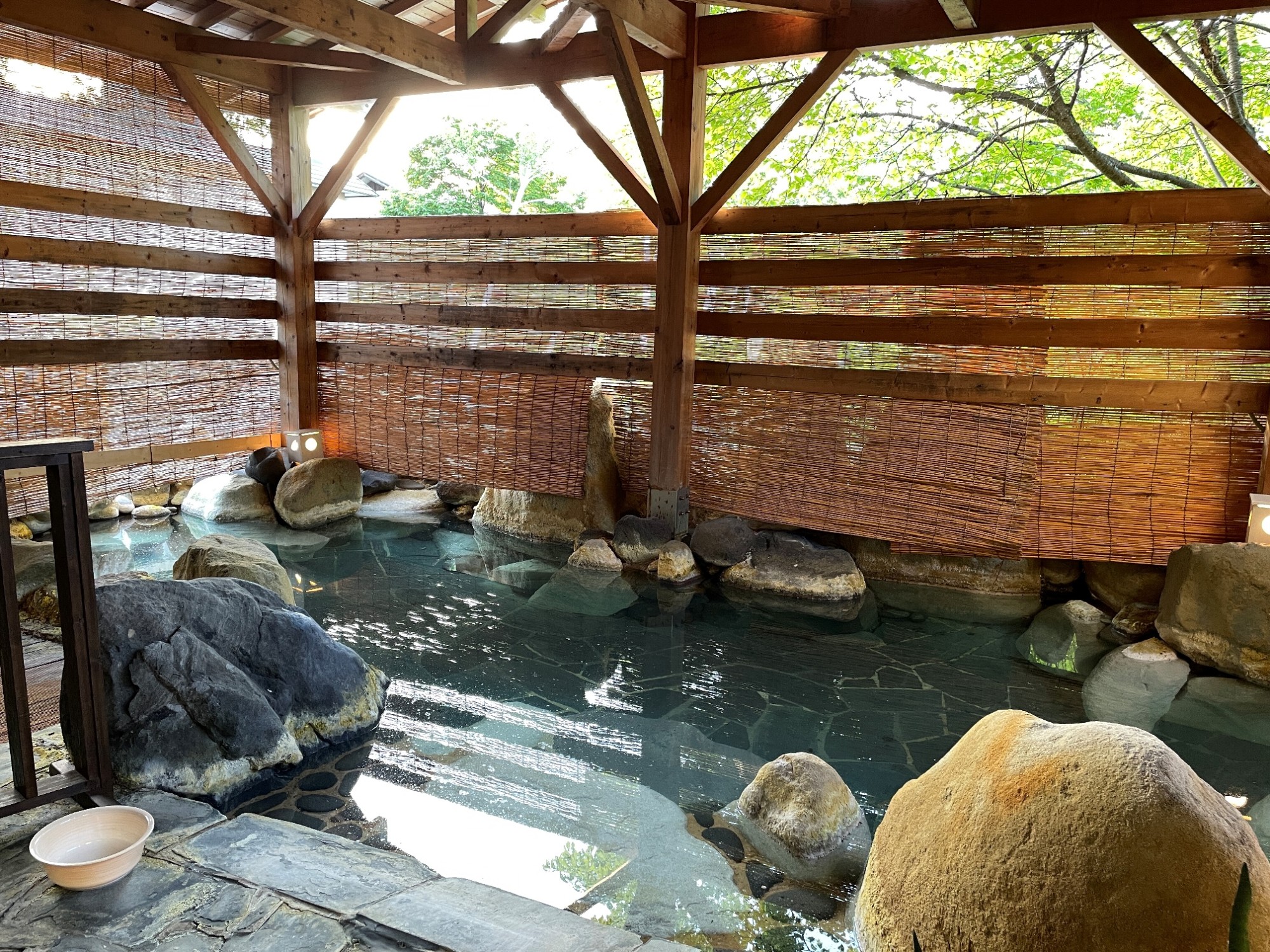
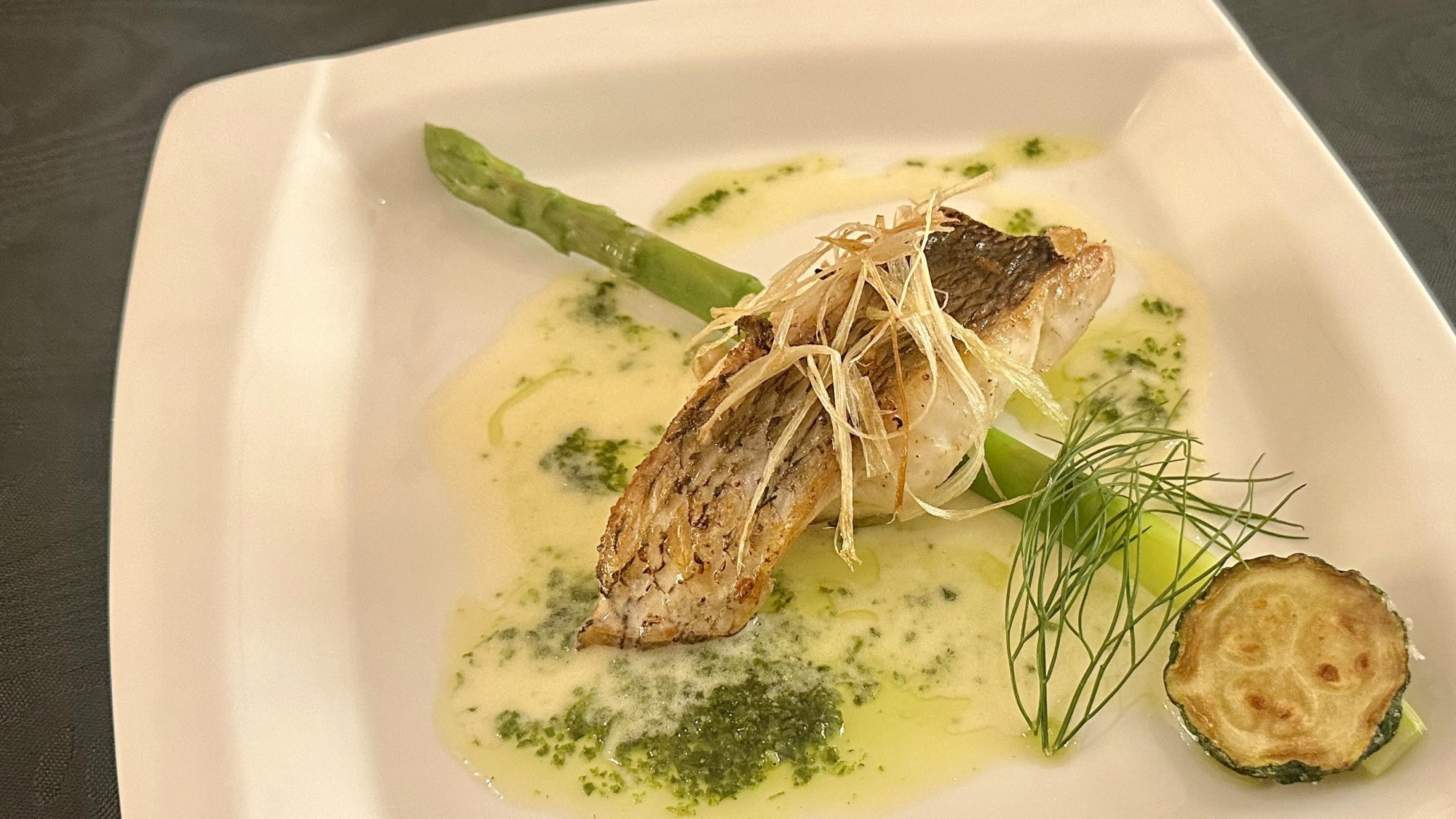
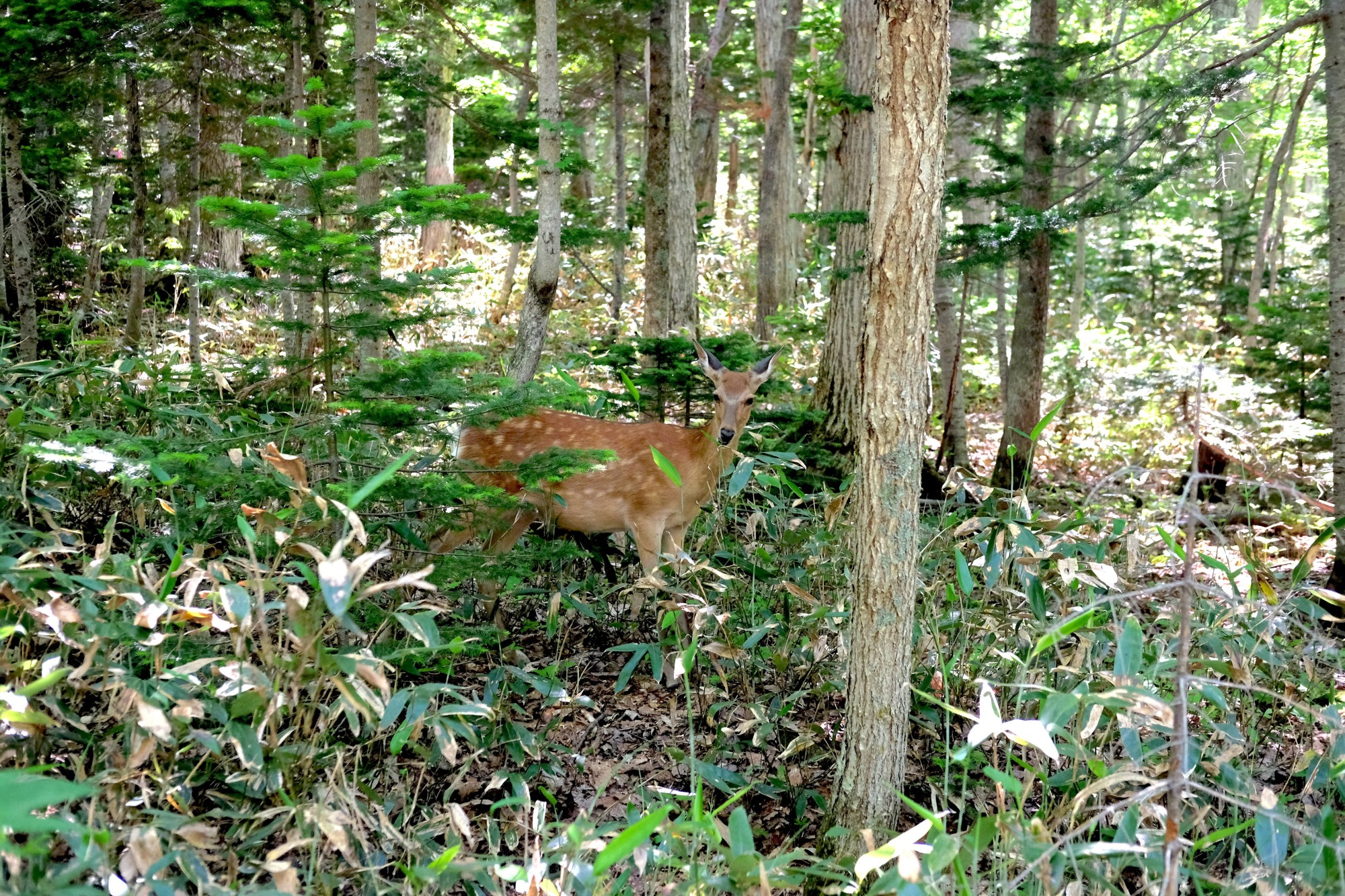
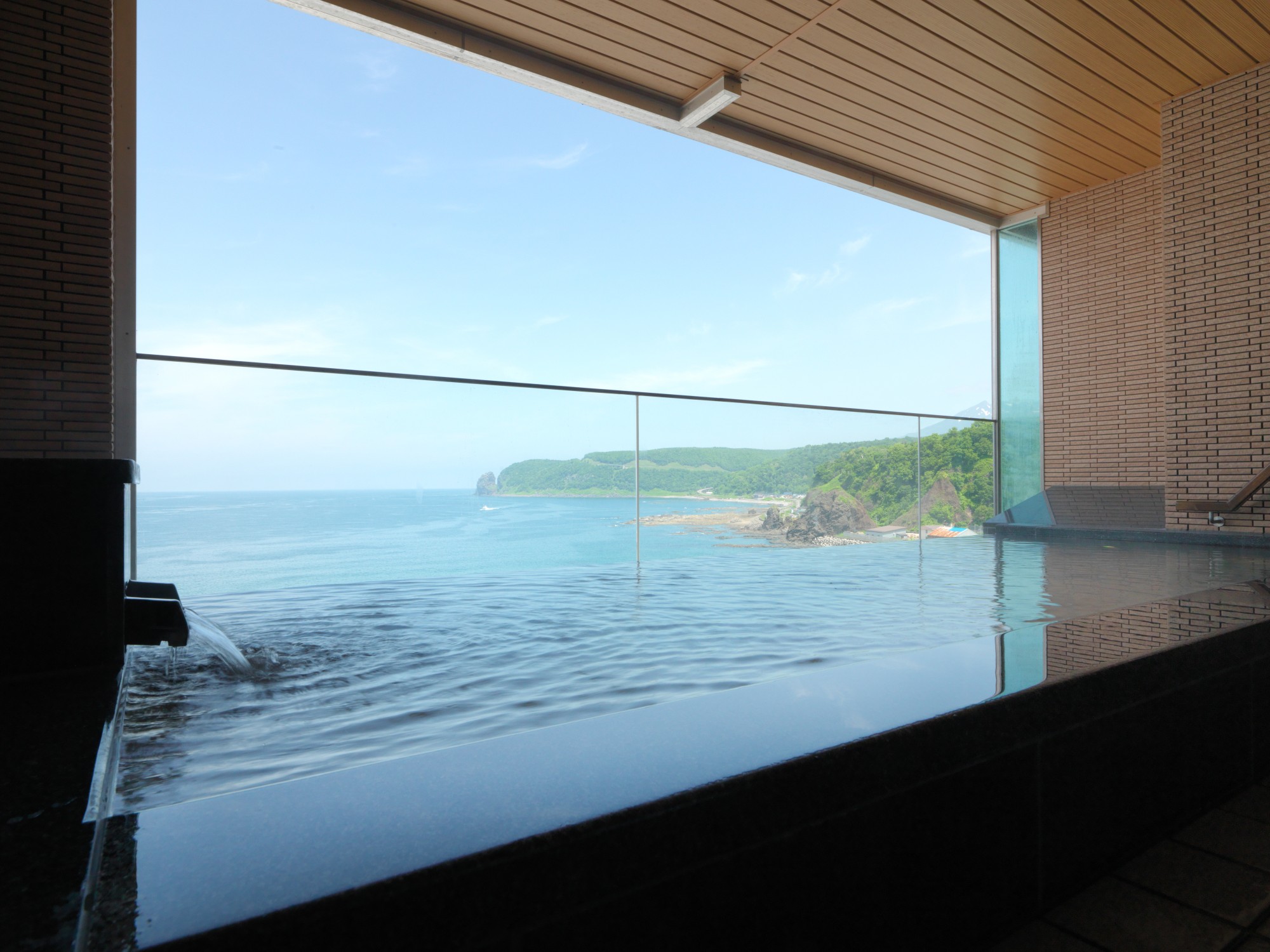
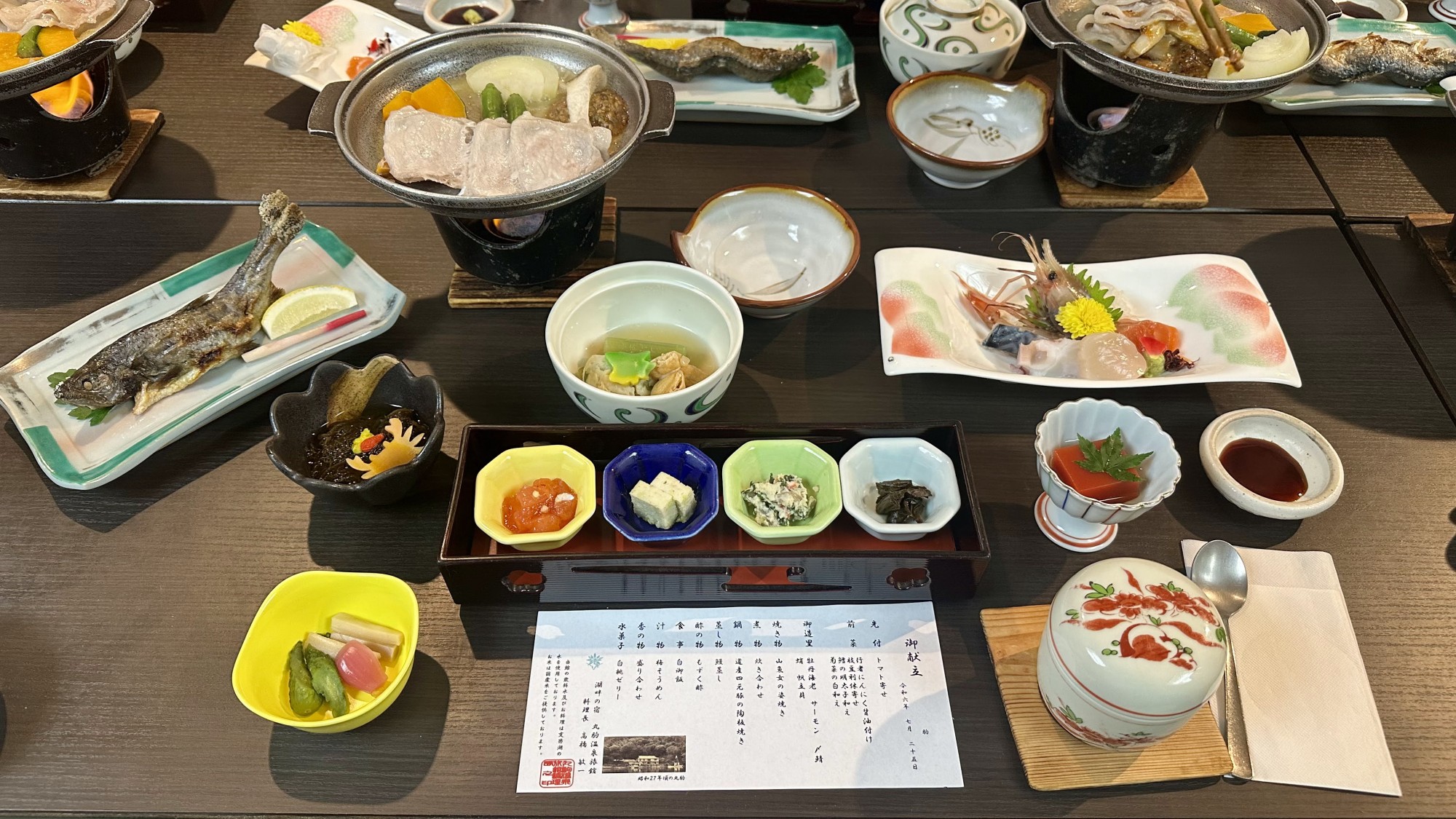
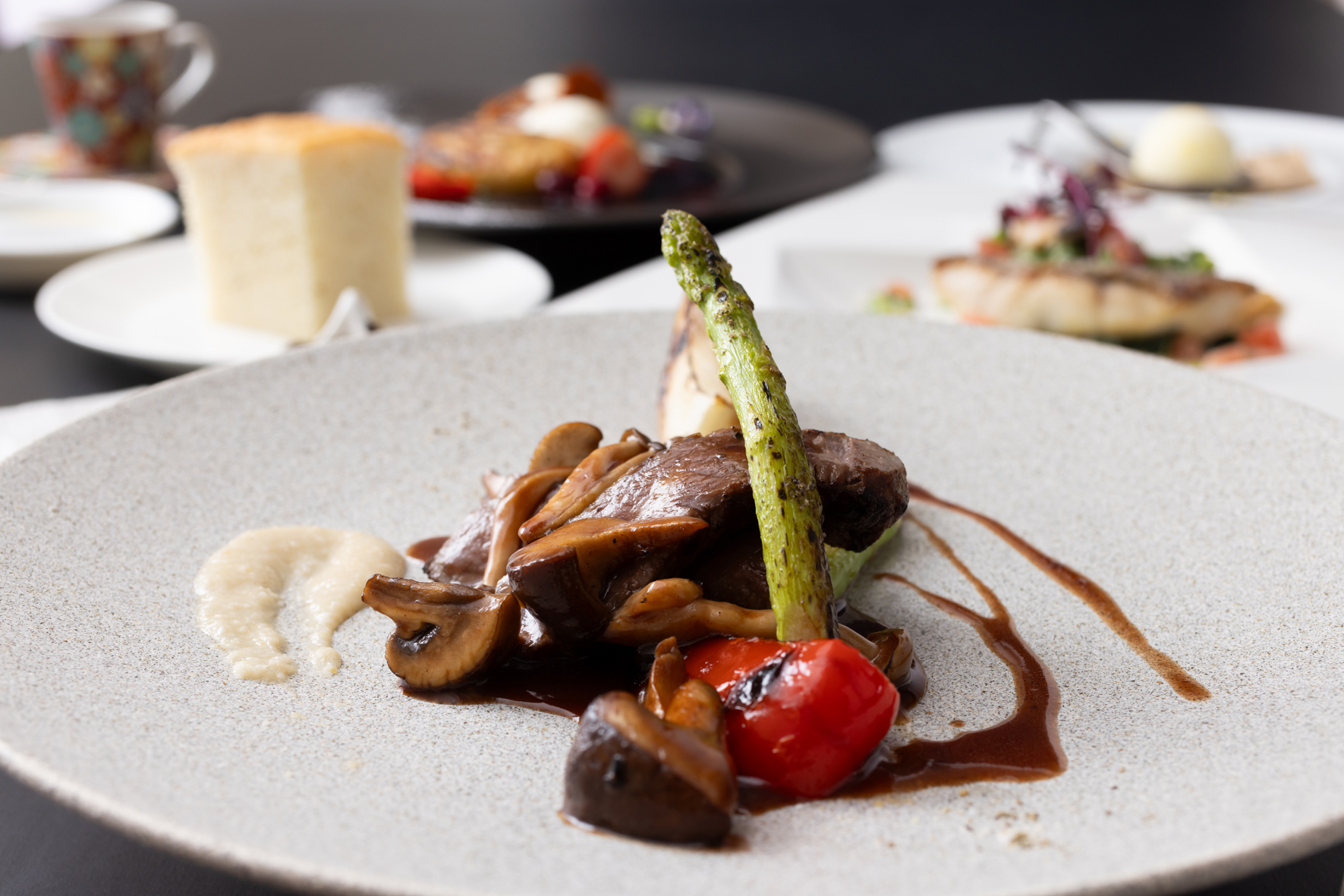
We begin in Kushiro, a city with a rugged frontier appeal and the major gateway to East Hokkaido. It is the last significant urban environment for the rest of the tour. Beyond lies a landscape that is home to few people but is the territory of a diverse range of wildlife including foxes, deer and numerous species of birds. Each evening we relax in comfortable accommodation, unwind in onsen hot spring baths and relish some of the freshest Japanese food available. We are warmly welcomed wherever we visit by the locals, some of whom join us on the trail. Utoro, aside the sea on the Shiretoko Peninsula, is our ultimate evening destination. Our main baggage goes ahead by vehicle each day while we carry only what we need for walking, which is between 4-18 kilometres each day.
A 9-day, 8-night tour starting in Kushiro and finishing at Memanbetsu Airport. Accommodation is in Japanese and western-style hotels. Please read more on accommodation here. The maximum group size for this tour is 12 persons. We have no minimum size. If we accept a booking we guarantee to run the tour.
The East Hokkaido Trek is a fully guided tour exploring sections of the Hokkaido East Trail, a 410 kilometre (255 mile) long hiking path that weaves its way from Kushiro's wetlands via active volcanoes and caldera lakes to the Shiretoko Peninsula, a protected wilderness. The East Hokkaido Trek visits the same region as Walk Japan's East Hokkaido Walk, but as its name suggests is suitable for more active trekkers. Daily walking is up to six hours, the ground underfoot more uneven and some ascents and descents are steep. We trek a total distance of approximately 90 kilometres (56 miles).
East Hokkaido is a quiet beautiful region, a wide expanse of widely dispersed farmsteads set in a spectacular wilderness. The region's temperate climate in the summer and autumn months makes it an ideal destination for exploring on foot. Our journey takes us over a verdant countryside of marshes and pastoral lowlands, through rich virgin forests and barren volcanic terrain, around caldera lakes and to mountain peaks until, finally, we arrive at the shores of the Sea of Okhotsk.
Our journey through this vast open landscape follows some of the most spectacular sections of the Hokkaido East Trail. These are mostly in the Kushiro Shitsugen National Park, a Ramsar-registered wetlands; the Akan-Mashu National Park, a region of volcanoes, calderas and crater lakes; and the Shiretoko National Park, a UNESCO World Heritage Site where a dramatic mountain range divides the Sea of Okhotsk from the Pacific Ocean.
We begin in Kushiro, a city with a rugged frontier appeal and the major gateway to East Hokkaido. It is the last significant urban environment for the rest of the tour. Beyond lies a landscape that is home to few people but is the territory of a diverse range of wildlife including foxes, deer and numerous species of birds. Each evening we relax in comfortable accommodation, unwind in onsen hot spring baths and relish some of the freshest Japanese food available. We are warmly welcomed wherever we visit by the locals, some of whom join us on the trail. Utoro, aside the sea on the Shiretoko Peninsula, is our ultimate evening destination. Our main baggage goes ahead by vehicle each day while we carry only what we need for walking, which is between 4-18 kilometres each day.
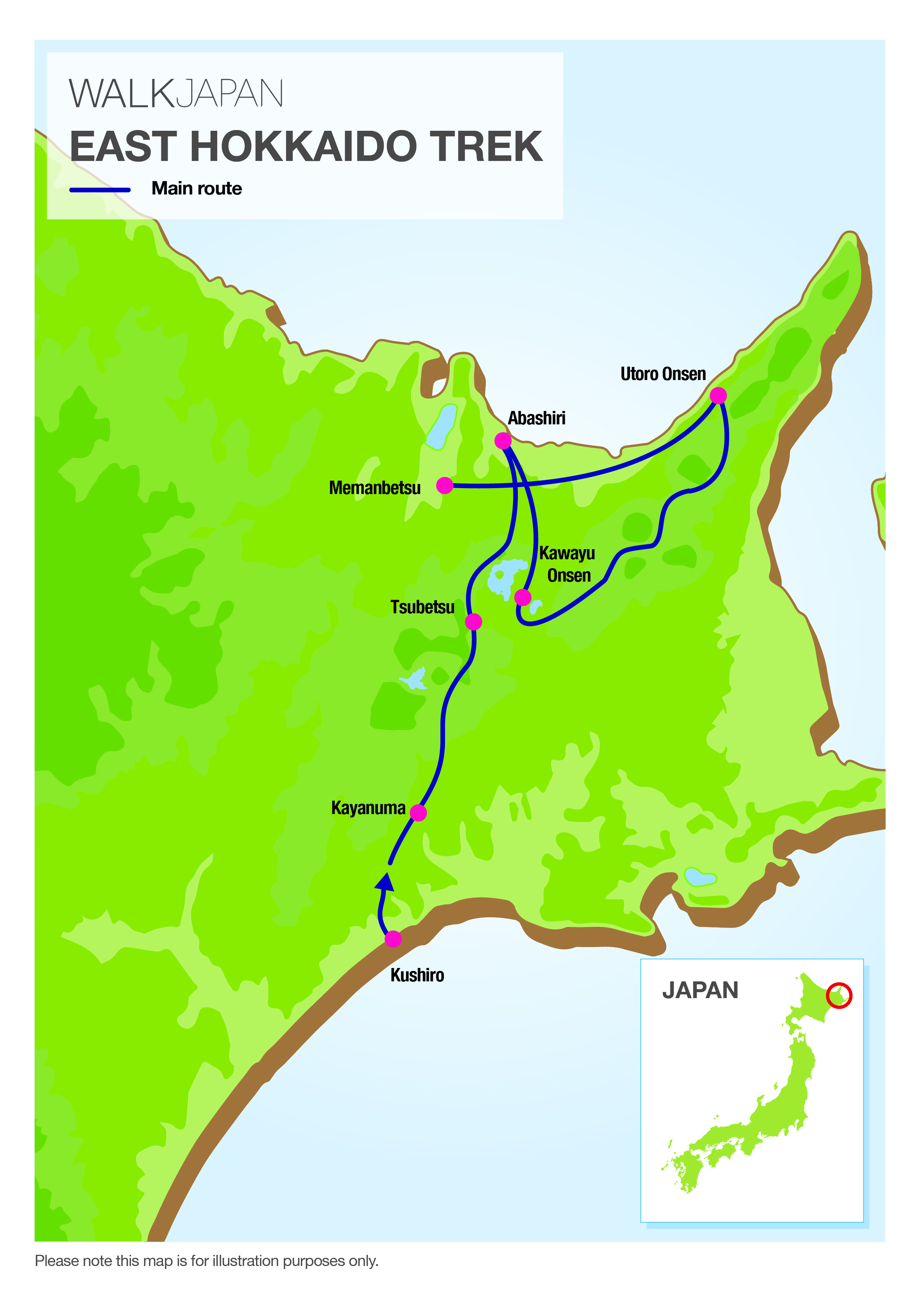
The itinerary for the East Hokkaido Trek tour is ground-only, beginning in Kushiro and ending at Memanbetsu Airport. Prior to the tour, Walk Japan will provide detailed instructions for travelling to the meeting point in Kushiro from Osaka’s Kansai Airport (KIX), and Tokyo’s Narita (NRT) and Haneda (HND) Airports. At the end of the tour, travellers are advised not to book themselves out on an early morning flight from Memanbetsu Airport as the group transfer will arrive approximately at midday.
The Walk Japan Tour Leader greets everyone late afternoon in the lobby of our accommodation to begin the tour briefing and carry out an equipment check. Dinner, which we enjoy at a popular local restaurant, follows. Kushiro is one of Hokkaido's major fishing ports and a range of the freshest fish landed here is a feature of our first meal together, setting the tone for the rest of our tour.
Accommodation: Western-style hotel.
Meals: Dinner provided.
Total walking: N/A.
Total elevation gain: N/A.
After breakfast in our accommodation we travel by train to the edge of Kushiro Shitsugen National Park, a vast marshland covering 269 square kilometres. A wildlife habitat considered so important that it is Ramsar registered, it has become famed for tancho red-crowned cranes. This magnificent bird, which has been classified as critically endangered elsewhere, is thriving here. The area is also inhabited by many hundreds of other species including the Siberian salamander and Danube salmon, both of which are also endangered, as well as the more common white-tailed eagle and Ezo fox. When Marnie Was There, a Studio Ghibli movie, is set in the Kushiro Shitsugen.
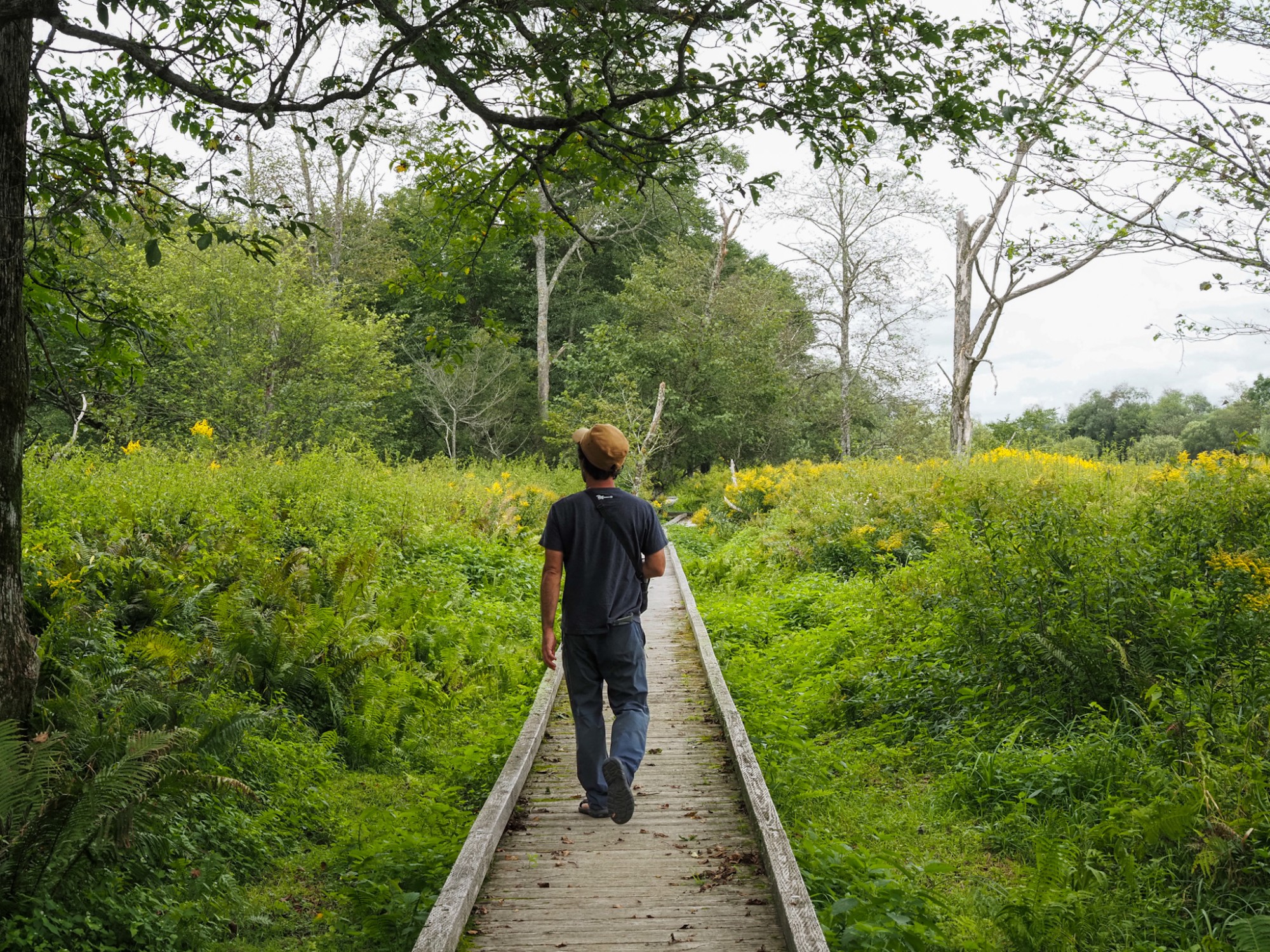
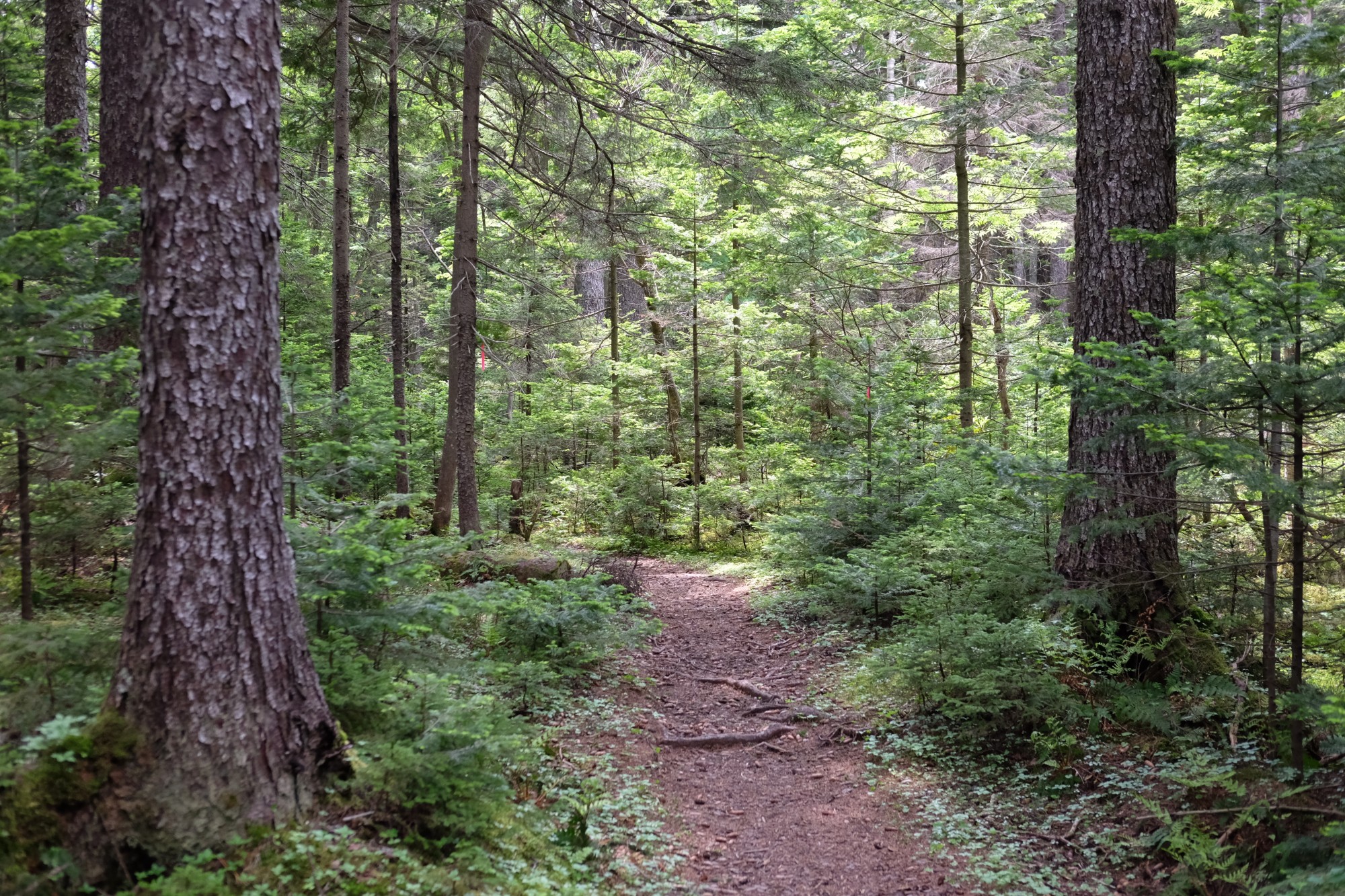
We step out on the Hokkaido East Trail for our morning walk, which takes us along a gently ascending path through a birch and pine forest skirting the marsh. Along the way we see birdlife but unfortunately not the tancho as these migratory birds usually make their home here in the winter months. A lookout point towards the end of our path rewards us with expansive views over this extensive habitat.
After enjoying lunch, we take a short train journey to Kayanuma where we continue today's walking, off the trail, besides the Kushiro-gawa, a river that has its source in Kussahro-ko, Japan's largest caldera lake. This spectacular natural attraction, a collapsed volcano filled with water, is the major feature of our tour over the next few days. Our walk leads us to tonight's accommodation on the edge of Kushiro Shitsugen, where we first luxuriate in onsen hot spring baths before enjoying a delicious evening meal.
Accommodation: Modern Japanese-style hotel with onsen hot spring baths.
Meals: Breakfast, lunch & dinner provided.
Total walking: 17.8km (11 miles).
Total elevation gain: 134m (440ft).
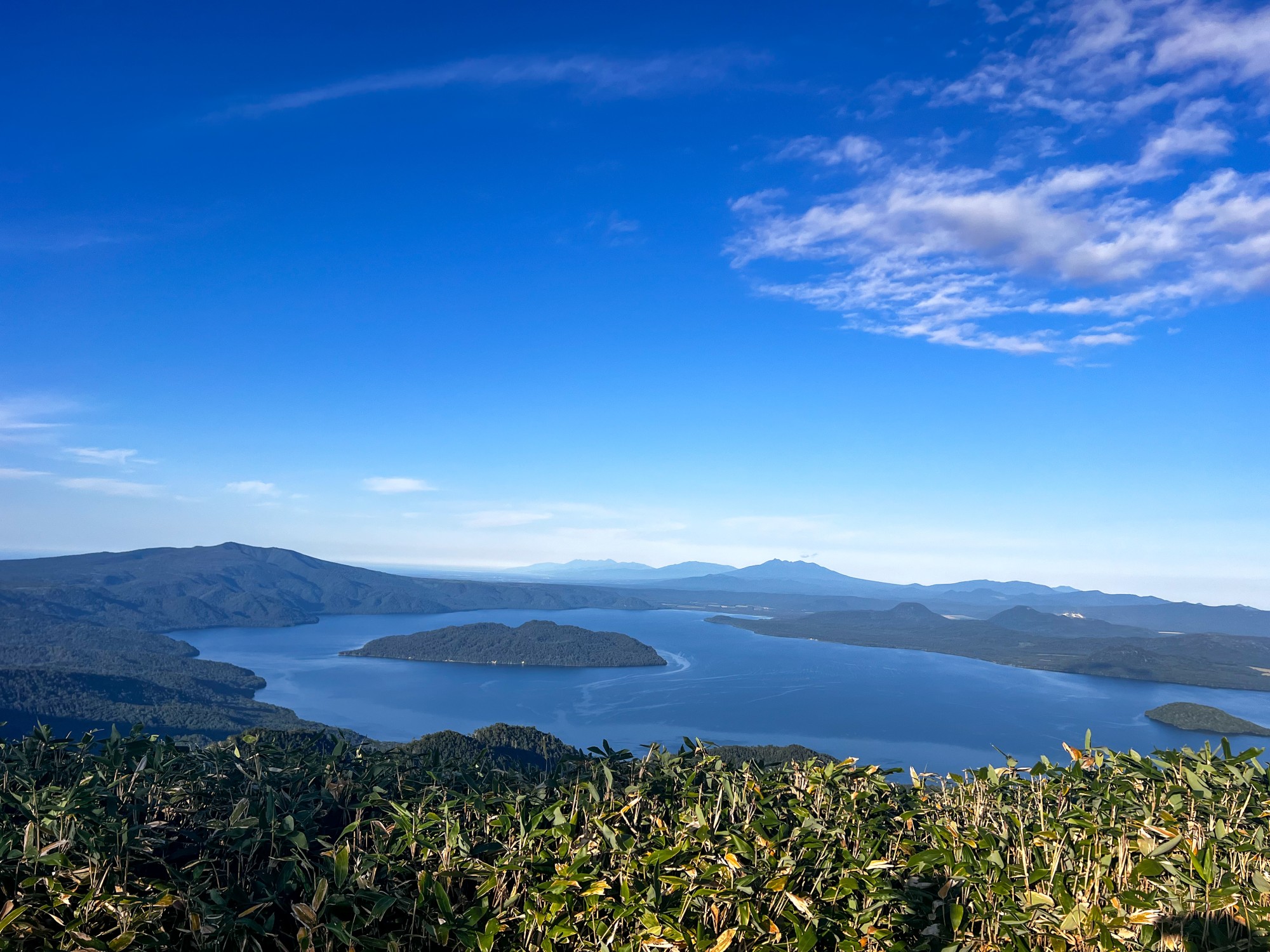
After breakfast, a private vehicle takes us to Tsubetsu-toge, a mountain pass overlooking Kussharo-ko. This is where we rejoin the Hokkaido East Trail but before setting out we take a moment to soak up the views afforded us here. Nakajima, an island in the lake, is in fact the tip of a volcano. For the next three days we follow the trail, which circuits the northern half of the caldera and within which lies this beautiful lake.
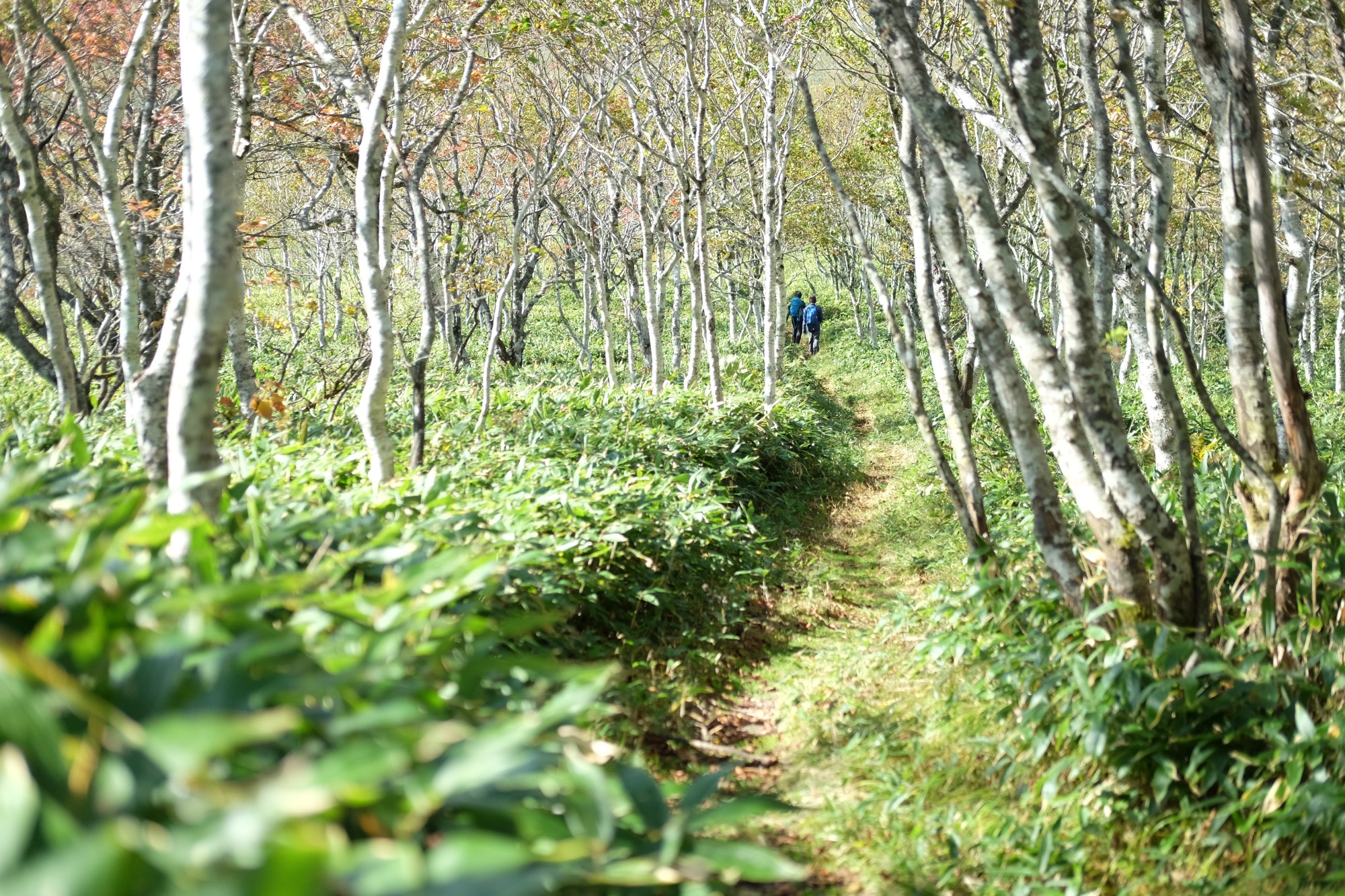
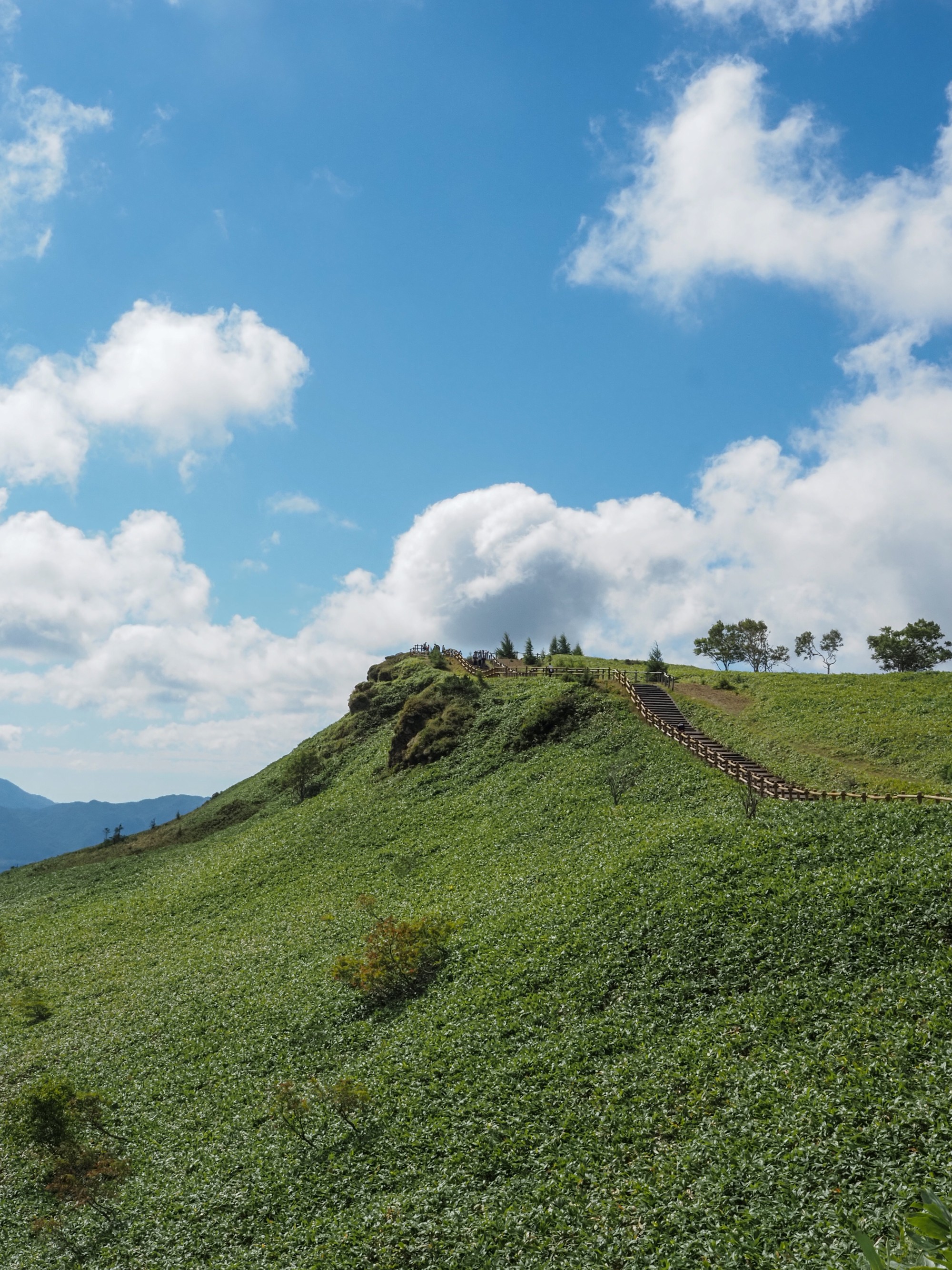
We descend from Tsubetsu-toge following a gently undulating path. The lake is a constant companion throughout much of the day, as is low growing sasa bamboo grass, until we conclude today's walk after a climb to Bihoro-toge, another pass.
A vehicle transfer brings us to our evening's accommodation, a rustically elegant Japanese inn set deep in a forest. After a leisurely soak in onsen baths we feast on a multi-course dinner.
Accommodation:Japanese inn with onsen hot spring baths.
Meals: Breakfast, lunch & dinner provided.
Total walking: 12km (7.5 miles).
Total elevation gain: 343m (1,125ft).
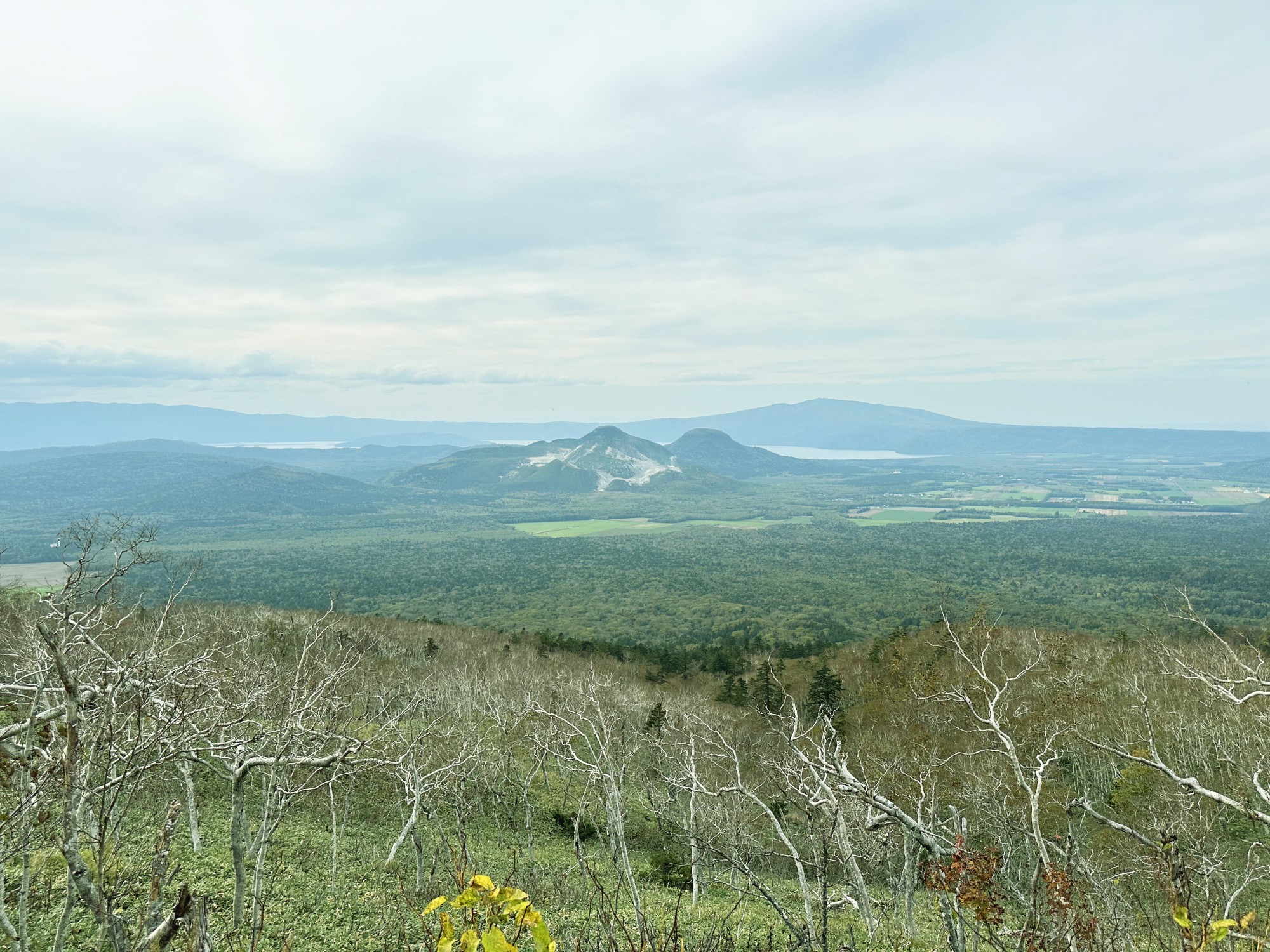
A vehicle returns us to Bihoro Toge to rejoin the trail where we left off yesterday. Our path continues on, skirting the edge of Kussahro-ko through gently rolling countryside and, eventually, leads us to a scenic spot where we enjoy a bento box for lunch. We are now ready to negotiate the first significant climb of the tour that takes us up Mokoto-yama, a 999.9 metre high mountain that is covered with shirakaba silver birch and matsu pine forests. At the peak we are rewarded for our efforts with towering views across East Hokkaido to the Sea of Okhotsk and the Shiretoko Peninsula, which we reach on Day 7 of the tour.
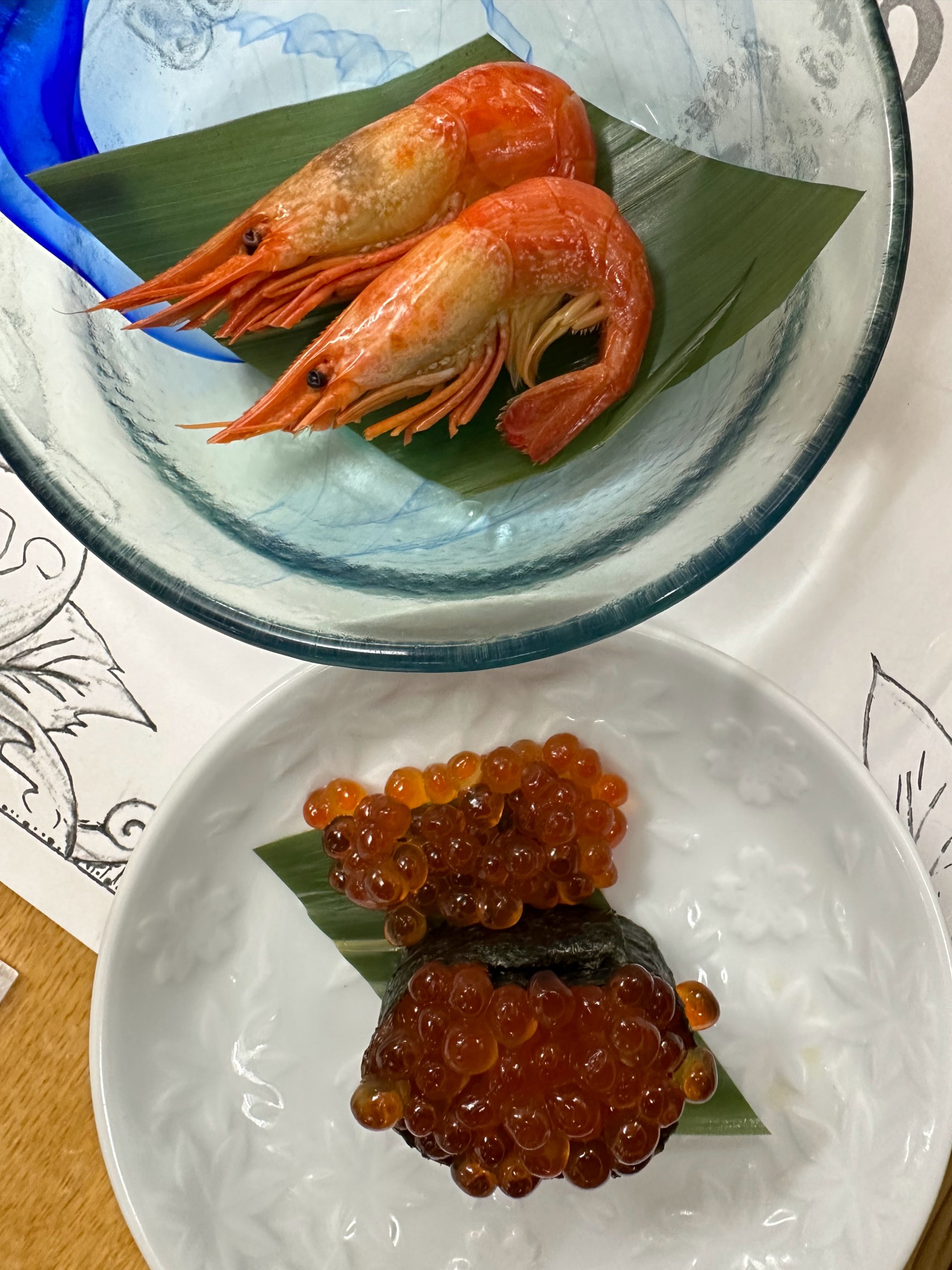
Our descent, which at times is uneven underfoot, brings us to a vehicle for transfer to our accommodation in Abashiri. Situated on the shores of the Sea of Okhotsk, this is one of Japan's further flung and remoter northern towns. Tonight, we dine out at a popular restaurant indulging ourselves with, amongst many other morsels, freshly caught and abundant local seafood.
Accommodation: Western-style hotel.
Meals: Breakfast, lunch & dinner provided.
Total walking: 15.8km (9.8 miles).
Total elevation gain: 423m (1,338ft).
After breakfast, we return to Kussharo-ko to once again pick up the trail on the caldera's rim. The views across the lake are as impressive as ever and, eventually, after descending through a buna beech forest on a gentle winding path we emerge on its shore. We relax beside its cool lapping waters while enjoying lunch, another bento box.
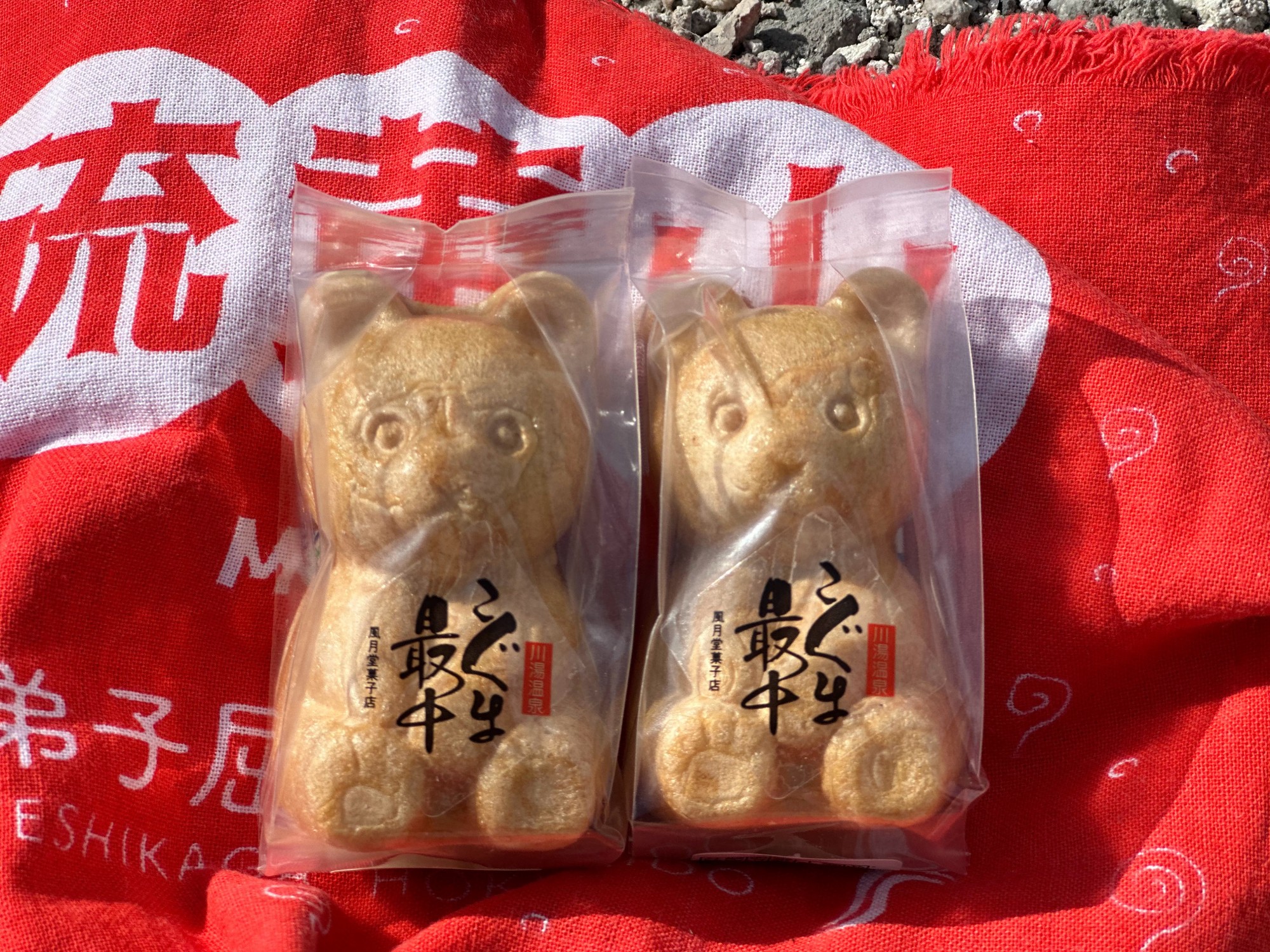
Satiated by the views and lunch, we leave Kussharo-ko behind us following quiet country roads. An intermittent sulphurous odour hangs in the air as we approach Kawayu Onsen, a tranquil hot spring town where we spend the next two nights. A leisurely soak in the therapeutic thermal waters is followed by another sumptuous dinner.
Accommodation: Japanese style inn with onsen hot spring baths.
Meals: Breakfast & dinner provided.
Total walking: 15.8km (9.8 miles).
Total elevation gain: 71 m (233ft).
Breakfast is followed by a short walk through the town to the local visitor centre. Here we are provided with insights into the surrounding region including its flora and fauna, volcanic activity, sulphur extraction industry and native Ainu culture.
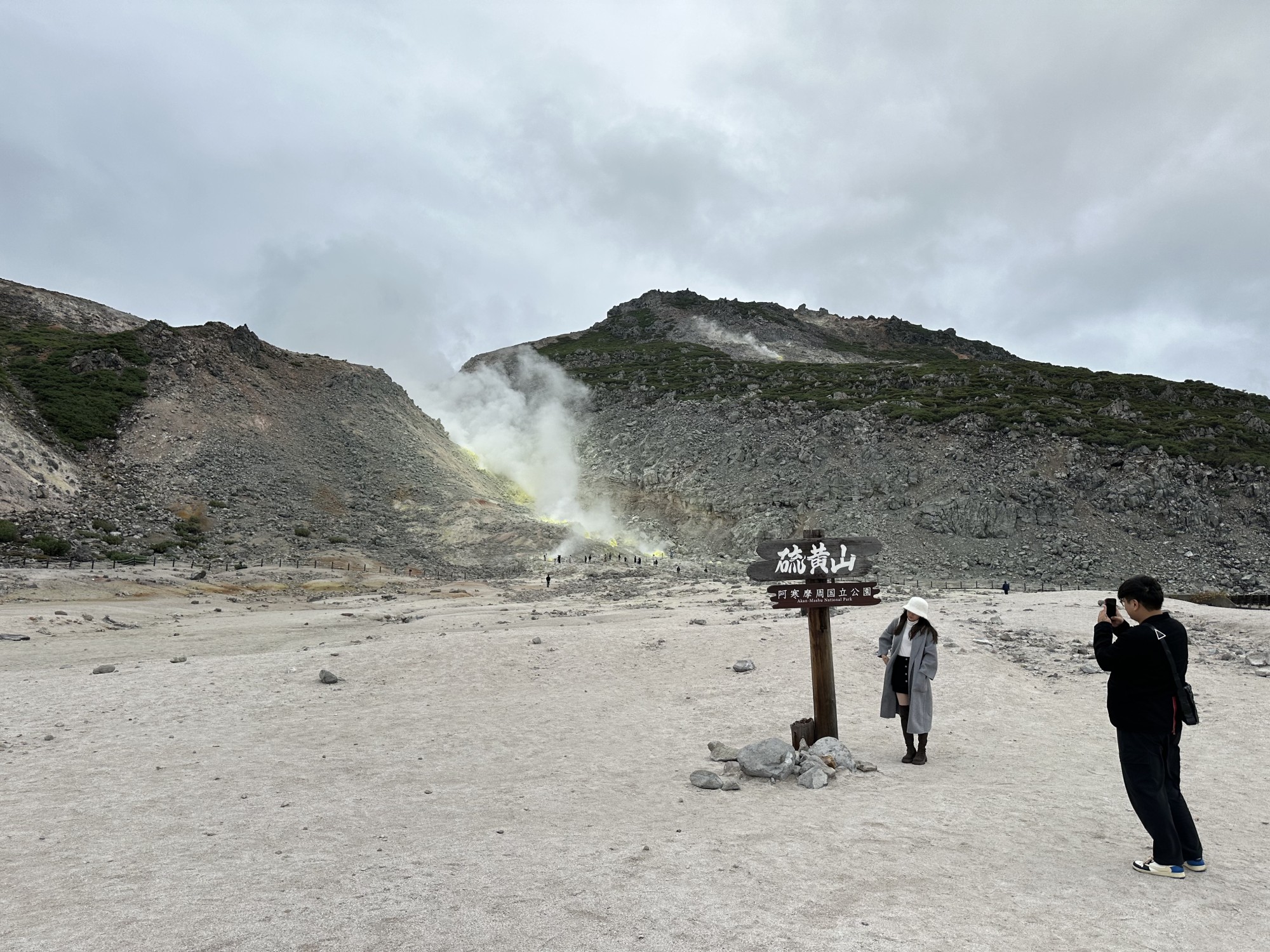
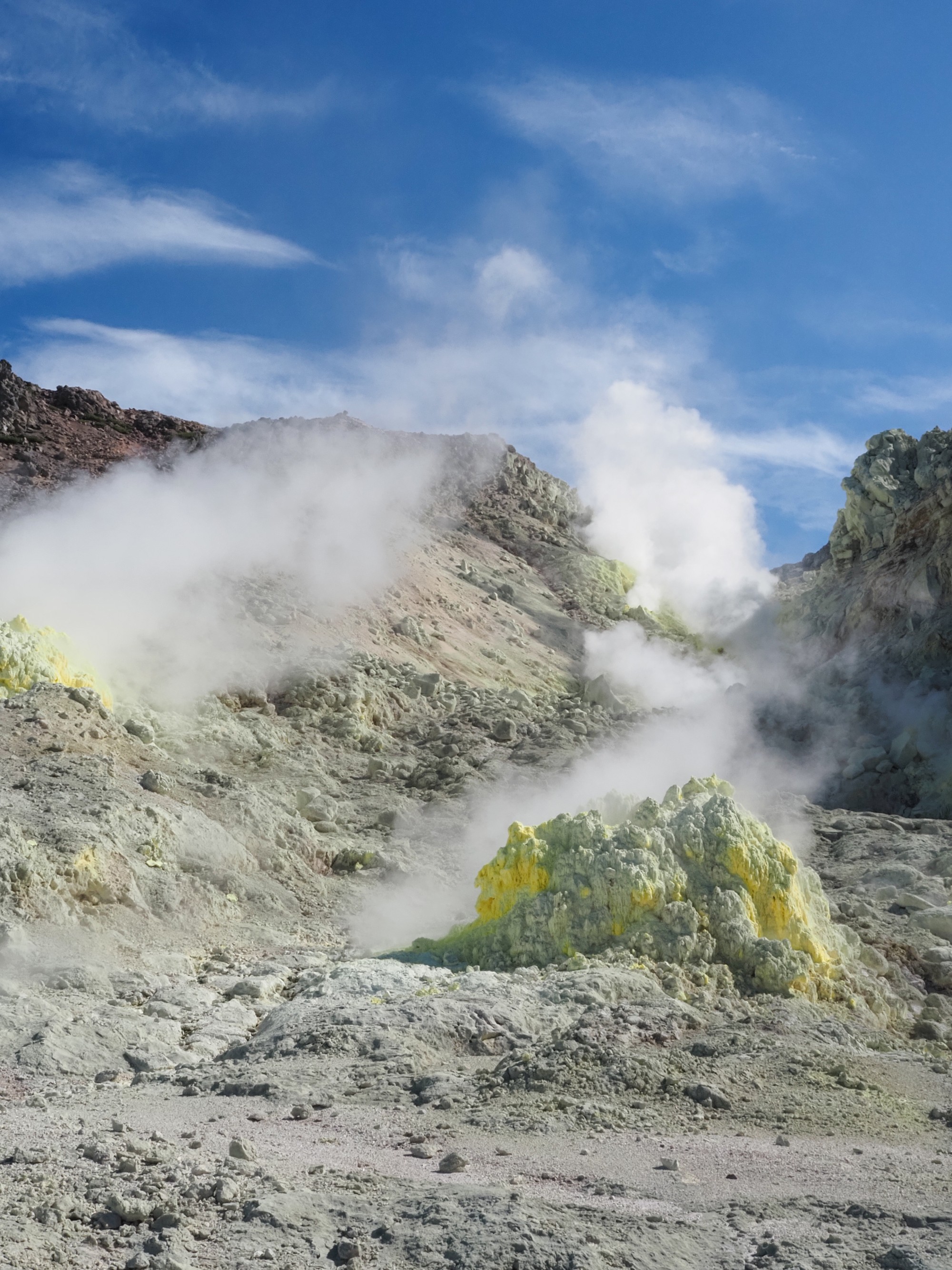
We rejoin the Hokkaido East Trail, which passes through the grounds of the visitor centre and enters a forest. A few kilometres in, the increasingly apparent scent of sulphur and thinning of the trees signals our approach to Io-zan, one of Japan's most spectacular, if relatively diminutive, volcanoes. Io-zan, which literally means sulphur mountain, constantly spews water vapour from numerous roaring fumaroles across its slopes. Its Ainu name is Atosa-Nupuri, which translates as 'naked mountain' and alludes to the barren landscape here.
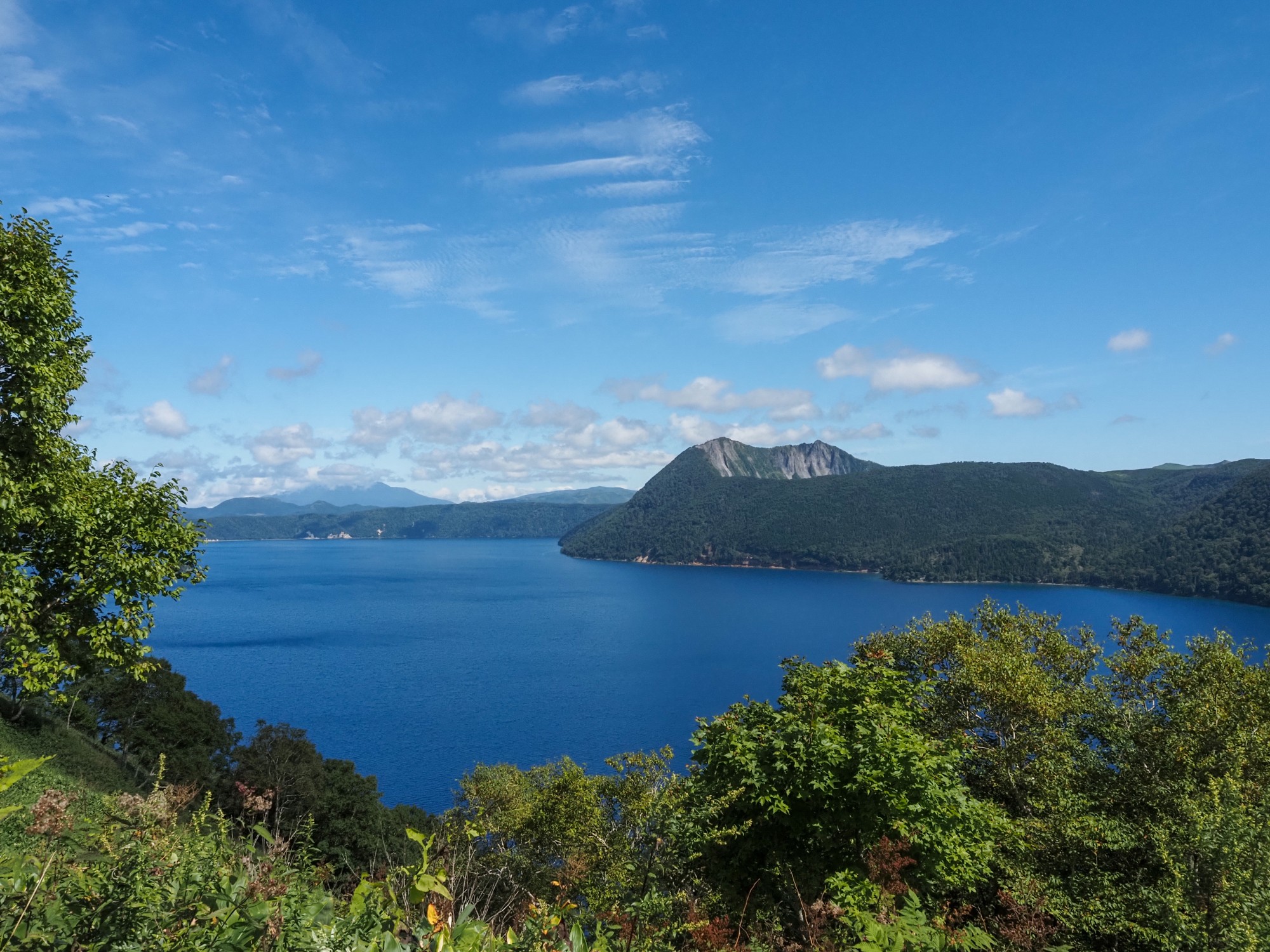
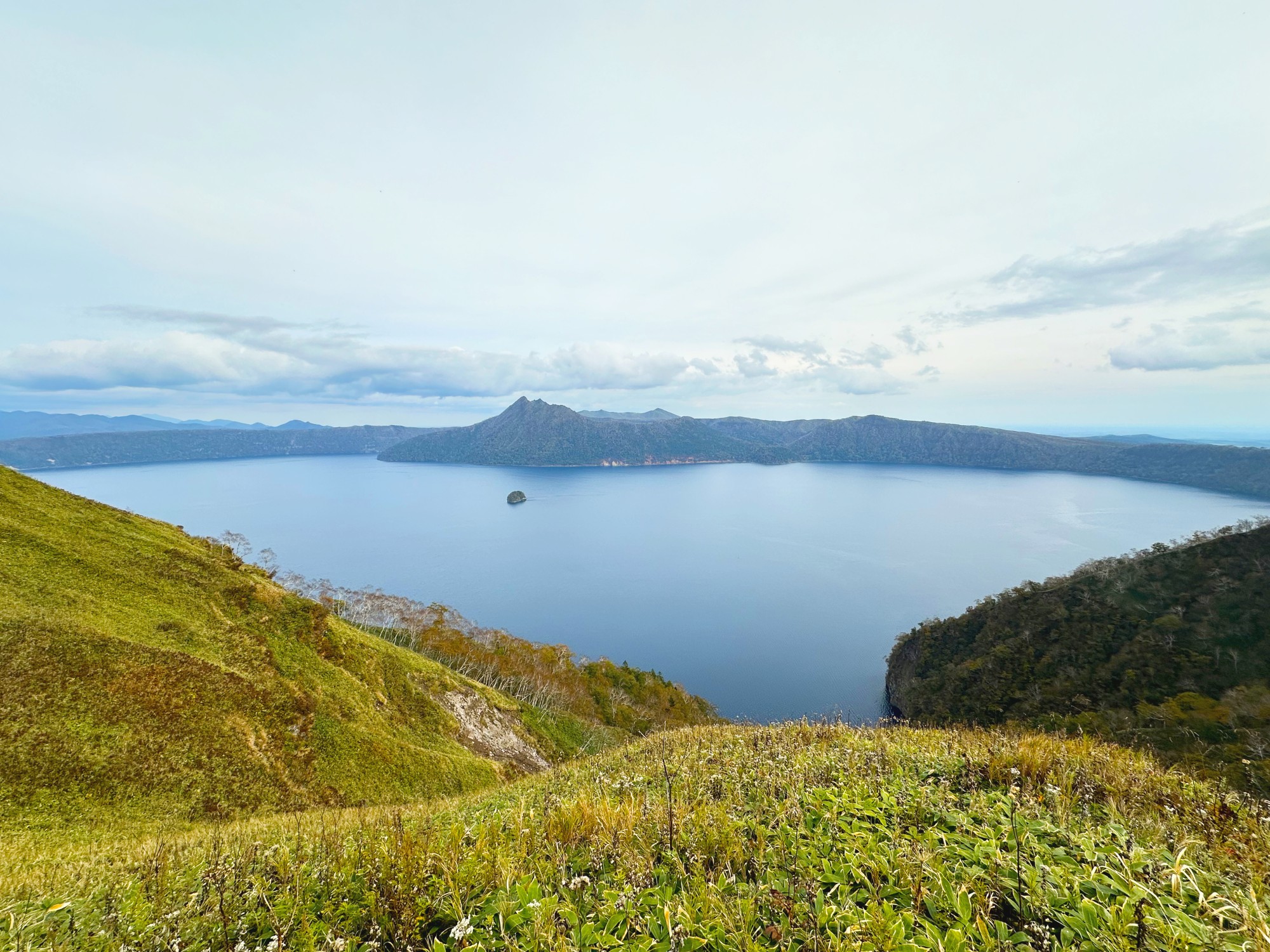
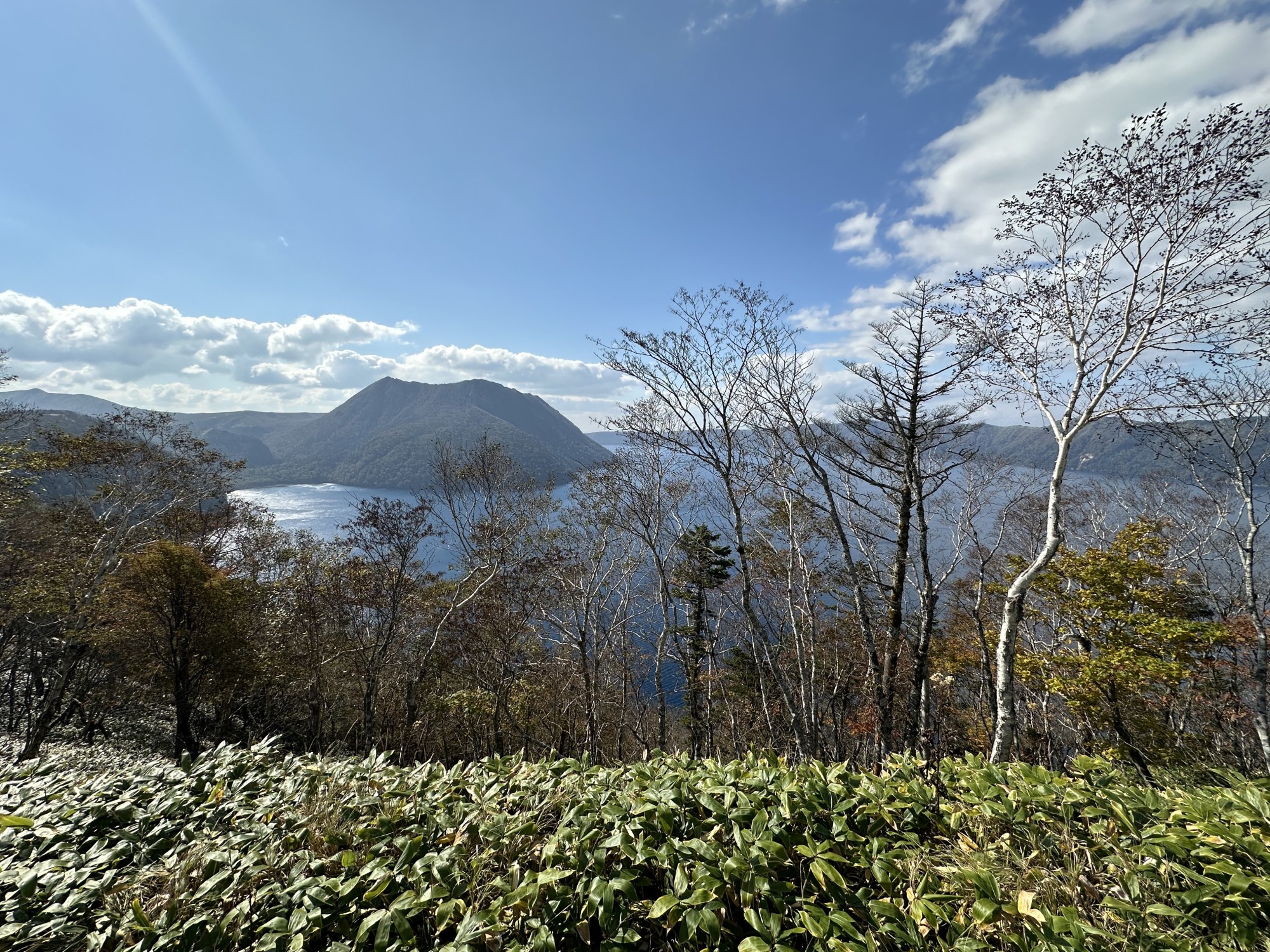
A little further on we board a train for Biruwa to pick up the trail again. Initially, the path is over gentle ground but it leads us to another challenging section, a steady ascent through shirakaba and matsu forests. However, our effort is handsomely repaid with wonderful vistas over Mashu-ko, another of East Hokkaido's crater lakes. Mashu-ko is renowned for its vivid blue waters in the middle of which lies Kamuishu-shima. This tiny island, like Nakajima in Kussharo-ko, is in actuality the summit of a volcano. No rivers flow into the lake leaving it largely nutrient free and making its waters some of the clearest in the world. The Ainu refer to it as Kamuito, the Lake of the Gods, and it certainly provides exhilarating views.
We complete today's walk here. A vehicle returns us to Kawayu Onsen, where we enjoy a well-earned soothing soak and tasty evening meal.
Accommodation: Japanese style inn with onsen hot spring baths.
Meals: Breakfast, lunch & dinner provided.
Total walking: 11.1km (6.9 miles).
Total elevation gain: 469m (1,539ft).
After breakfast, we return to the view point at Mashu-ko where we left off yesterday to restart on the trail. Unlike yesterday, however, today's walking is relaxed without any significant climbs. We set off on an undulating gentle path through sasa bamboo grass and shirakaba trees around the southern rim of Mashu-ko. Occasional views of the lake to one side are complemented on the other side by high panoramas over a wide expanse of farmland running into the far distance. We relax while enjoying lunch at one of the best but least visited vantage points over the lake. This is the last opportunity to see Masshu-ko but we do see its iridescent hued waters once again.
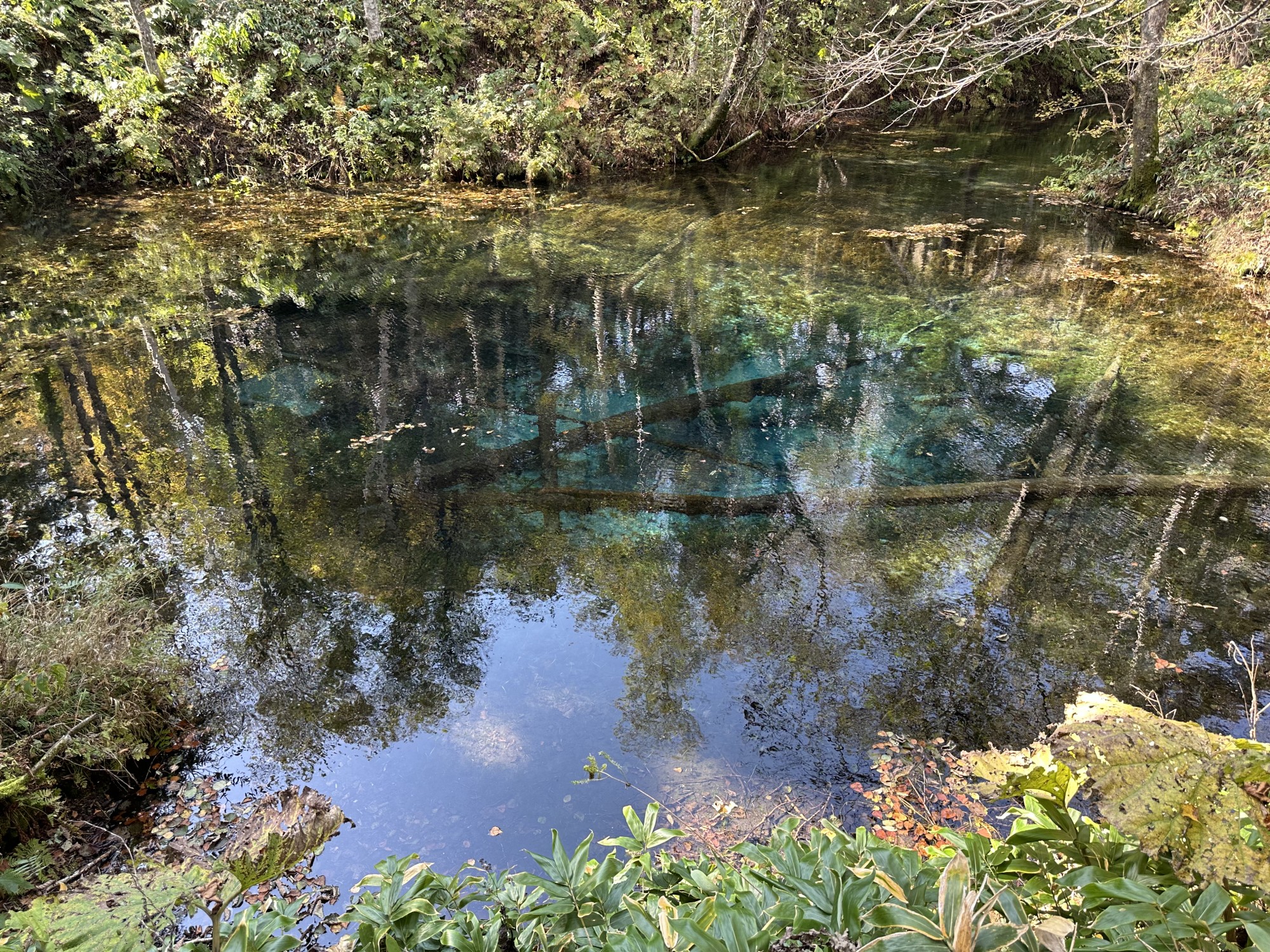
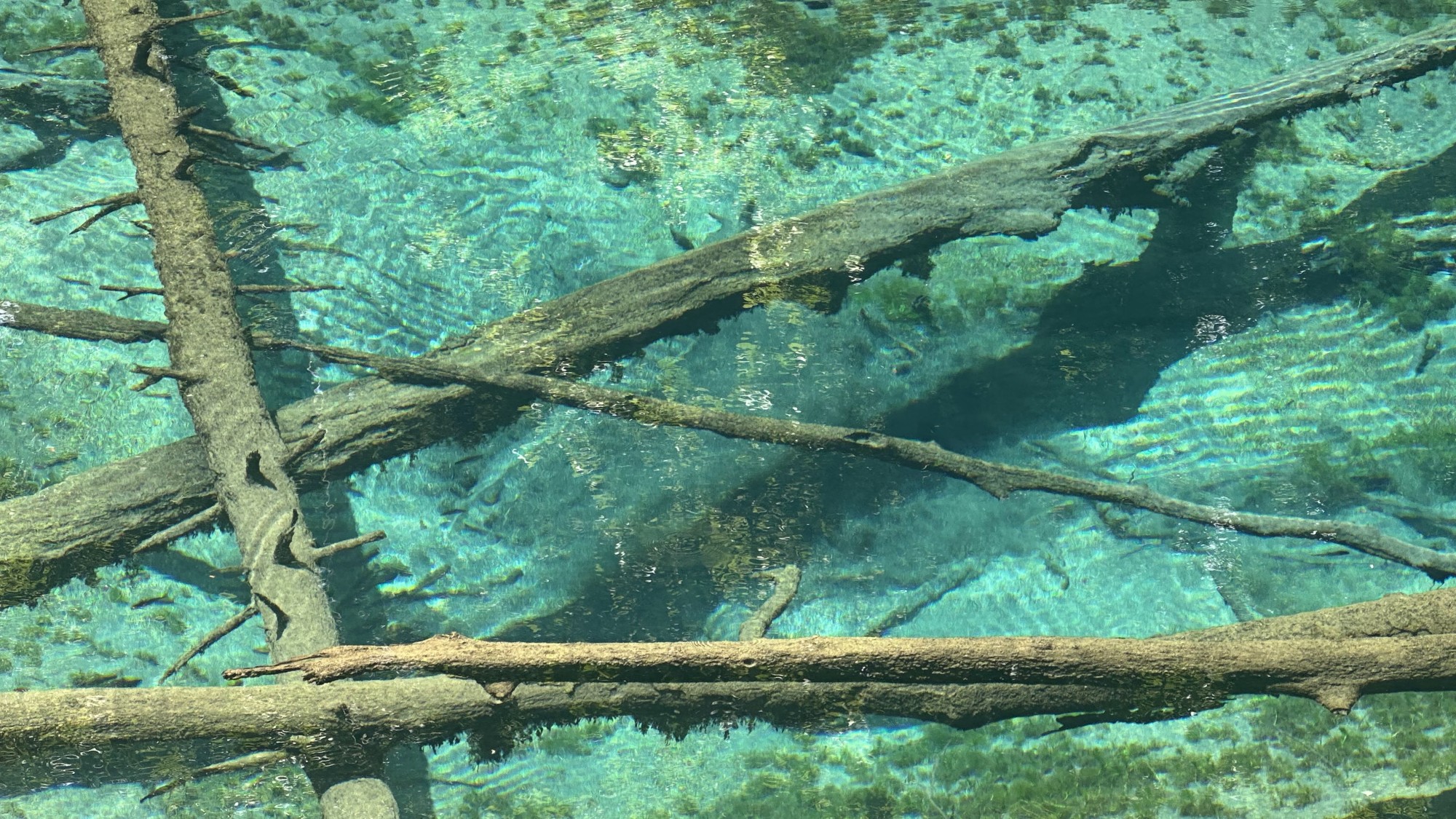
A gentle descent through forests leads us to Kaminoko-ike, a spring pond that shimmers with emerald green and cobalt blue colours. The source waters are thought to percolate through bedrock from Masshu-ko. We transfer by vehicle to Utoro, where we stay for the next two nights, on the Shiretoko Peninsula, a wildlife haven and UNESCO World Heritage Site. More onsen bathing before a buffet dinner.
Accommodation: Western-style hotel with onsen hot spring baths.
Meals: Breakfast & dinner provided.
Total walking: 16.8km (10.4 miles).
Total elevation gain: 296 m (971ft).
A vehicle transfers us to the Kamuiwakka-no-taki, a waterfall over which tumble onsen hot spring waters. These waters emanate from Iwau-nupuri, a volcano that we ascend in the company of a local. Our guide is an expert on the Shiretoko Peninsula and its flora and fauna, which includes the higuma Ussuri brown bear. Although visitors rarely encounter them, our new companion is just one precaution we take to make sure our paths never cross with these robust animals. Please see our page on Japanese Wildlife for further information.
As we ascend a rocky trail, spectacular views open up of the mountain range that stretches, like a spine, along the Shiretoko Peninsula. To the north lies the Sea of Okhotsk and to the south the Pacific Ocean. After enjoying a picnic lunch at the peak, we descend on the same trail to rejoin our vehicle for return to Utoro.
Please note that this trail may be closed because of bear activity and inclement weather. In this case, we explore a marshland plateau aside Rausu-dake, a dormant volcano known by the Ainu people as Chacha-Nuppuri. In good weather, Rausu-dake is beautifully reflected in its namesake Rausu-ko, a lake our path leads us to.
Tonight, after bathing we dine out in town at a popular family-run restaurant. In common with all our evening meals throughout the tour, freshly caught seafood is a major feature along with locally grown produce sourced from the surrounding fields and mountains.
Accommodation: Western-style hotel with onsen hot spring baths.
Meals: Breakfast & dinner provided.
Total walking: 3.9km (2.4 miles).
Total elevation gain: 478m (1,568ft).
After breakfast, we transfer together to Memanbetsu Airport, where we arrive at approximately midday. The tour ends here. If your flight requires an earlier departure, please contact us for advice.
Accommodation: N/A.
Meals: Breakfast provided.
Total walking: N/A.
Total elevation gain: N/A.
This Itinerary is subject to change.
Day 1 Kushiro
The Walk Japan Tour Leader greets everyone late afternoon in the lobby of our accommodation to begin the tour briefing and carry out an equipment check. Dinner, which we enjoy at a popular local restaurant, follows. Kushiro is one of Hokkaido's major fishing ports and a range of the freshest fish landed here is a feature of our first meal together, setting the tone for the rest of our tour.
Accommodation: Western-style hotel.
Meals: Dinner provided.
Total walking: N/A.
Total elevation gain: N/A.
Day 2 Kushiro - Toya - Kayanuma
After breakfast in our accommodation we travel by train to the edge of Kushiro Shitsugen National Park, a vast marshland covering 269 square kilometres. A wildlife habitat considered so important that it is Ramsar registered, it has become famed for tancho red-crowned cranes. This magnificent bird, which has been classified as critically endangered elsewhere, is thriving here. The area is also inhabited by many hundreds of other species including the Siberian salamander and Danube salmon, both of which are also endangered, as well as the more common white-tailed eagle and Ezo fox. When Marnie Was There, a Studio Ghibli movie, is set in the Kushiro Shitsugen.
We step out on the Hokkaido East Trail for our morning walk, which takes us along a gently ascending path through a birch and pine forest skirting the marsh. Along the way we see birdlife but unfortunately not the tancho as these migratory birds usually make their home here in the winter months. A lookout point towards the end of our path rewards us with expansive views over this extensive habitat.
After enjoying lunch, we take a short train journey to Kayanuma where we continue today's walking, off the trail, besides the Kushiro-gawa, a river that has its source in Kussahro-ko, Japan's largest caldera lake. This spectacular natural attraction, a collapsed volcano filled with water, is the major feature of our tour over the next few days. Our walk leads us to tonight's accommodation on the edge of Kushiro Shitsugen, where we first luxuriate in onsen hot spring baths before enjoying a delicious evening meal.
Accommodation: Modern Japanese-style hotel with onsen hot spring baths.
Meals: Breakfast, lunch & dinner provided.
Total walking: 17.8km (11 miles).
Total elevation gain: 134m (440ft).
Day 3 Kayanuma - Tsubetsu-toge - Bihoro-toge - Tsubetsu
After breakfast, a private vehicle takes us to Tsubetsu-toge, a mountain pass overlooking Kussharo-ko. This is where we rejoin the Hokkaido East Trail but before setting out we take a moment to soak up the views afforded us here. Nakajima, an island in the lake, is in fact the tip of a volcano. For the next three days we follow the trail, which circuits the northern half of the caldera and within which lies this beautiful lake.
We descend from Tsubetsu-toge following a gently undulating path. The lake is a constant companion throughout much of the day, as is low growing sasa bamboo grass, until we conclude today's walk after a climb to Bihoro-toge, another pass.
A vehicle transfer brings us to our evening's accommodation, a rustically elegant Japanese inn set deep in a forest. After a leisurely soak in onsen baths we feast on a multi-course dinner.
Accommodation:Japanese inn with onsen hot spring baths.
Meals: Breakfast, lunch & dinner provided.
Total walking: 12km (7.5 miles).
Total elevation gain: 343m (1,125ft).
Day 4 Tsubetsu - Bihoro-toge - Koshimizu - Abashiri
A vehicle returns us to Bihoro Toge to rejoin the trail where we left off yesterday. Our path continues on, skirting the edge of Kussahro-ko through gently rolling countryside and, eventually, leads us to a scenic spot where we enjoy a bento box for lunch. We are now ready to negotiate the first significant climb of the tour that takes us up Mokoto-yama, a 999.9 metre high mountain that is covered with shirakaba silver birch and matsu pine forests. At the peak we are rewarded for our efforts with towering views across East Hokkaido to the Sea of Okhotsk and the Shiretoko Peninsula, which we reach on Day 7 of the tour.
Our descent, which at times is uneven underfoot, brings us to a vehicle for transfer to our accommodation in Abashiri. Situated on the shores of the Sea of Okhotsk, this is one of Japan's further flung and remoter northern towns. Tonight, we dine out at a popular restaurant indulging ourselves with, amongst many other morsels, freshly caught and abundant local seafood.
Accommodation: Western-style hotel.
Meals: Breakfast, lunch & dinner provided.
Total walking: 15.8km (9.8 miles).
Total elevation gain: 423m (1,338ft).
Day 5 Abashiri - Koshimizu - Kawayu Onsen
After breakfast, we return to Kussharo-ko to once again pick up the trail on the caldera's rim. The views across the lake are as impressive as ever and, eventually, after descending through a buna beech forest on a gentle winding path we emerge on its shore. We relax beside its cool lapping waters while enjoying lunch, another bento box.
Satiated by the views and lunch, we leave Kussharo-ko behind us following quiet country roads. An intermittent sulphurous odour hangs in the air as we approach Kawayu Onsen, a tranquil hot spring town where we spend the next two nights. A leisurely soak in the therapeutic thermal waters is followed by another sumptuous dinner.
Accommodation: Japanese style inn with onsen hot spring baths.
Meals: Breakfast & dinner provided.
Total walking: 15.8km (9.8 miles).
Total elevation gain: 71 m (233ft).
Day 6 Kawayu Onsen - Mashu-ko - Kawayu Onsen
Breakfast is followed by a short walk through the town to the local visitor centre. Here we are provided with insights into the surrounding region including its flora and fauna, volcanic activity, sulphur extraction industry and native Ainu culture.
We rejoin the Hokkaido East Trail, which passes through the grounds of the visitor centre and enters a forest. A few kilometres in, the increasingly apparent scent of sulphur and thinning of the trees signals our approach to Io-zan, one of Japan's most spectacular, if relatively diminutive, volcanoes. Io-zan, which literally means sulphur mountain, constantly spews water vapour from numerous roaring fumaroles across its slopes. Its Ainu name is Atosa-Nupuri, which translates as 'naked mountain' and alludes to the barren landscape here.
A little further on we board a train for Biruwa to pick up the trail again. Initially, the path is over gentle ground but it leads us to another challenging section, a steady ascent through shirakaba and matsu forests. However, our effort is handsomely repaid with wonderful vistas over Mashu-ko, another of East Hokkaido's crater lakes. Mashu-ko is renowned for its vivid blue waters in the middle of which lies Kamuishu-shima. This tiny island, like Nakajima in Kussharo-ko, is in actuality the summit of a volcano. No rivers flow into the lake leaving it largely nutrient free and making its waters some of the clearest in the world. The Ainu refer to it as Kamuito, the Lake of the Gods, and it certainly provides exhilarating views.
We complete today's walk here. A vehicle returns us to Kawayu Onsen, where we enjoy a well-earned soothing soak and tasty evening meal.
Accommodation: Japanese style inn with onsen hot spring baths.
Meals: Breakfast, lunch & dinner provided.
Total walking: 11.1km (6.9 miles).
Total elevation gain: 469m (1,539ft).
Day 7 Kawayu Onsen - Mashu-ko - Utoro
After breakfast, we return to the view point at Mashu-ko where we left off yesterday to restart on the trail. Unlike yesterday, however, today's walking is relaxed without any significant climbs. We set off on an undulating gentle path through sasa bamboo grass and shirakaba trees around the southern rim of Mashu-ko. Occasional views of the lake to one side are complemented on the other side by high panoramas over a wide expanse of farmland running into the far distance. We relax while enjoying lunch at one of the best but least visited vantage points over the lake. This is the last opportunity to see Masshu-ko but we do see its iridescent hued waters once again.
A gentle descent through forests leads us to Kaminoko-ike, a spring pond that shimmers with emerald green and cobalt blue colours. The source waters are thought to percolate through bedrock from Masshu-ko. We transfer by vehicle to Utoro, where we stay for the next two nights, on the Shiretoko Peninsula, a wildlife haven and UNESCO World Heritage Site. More onsen bathing before a buffet dinner.
Accommodation: Western-style hotel with onsen hot spring baths.
Meals: Breakfast & dinner provided.
Total walking: 16.8km (10.4 miles).
Total elevation gain: 296 m (971ft).
Day 8 Utoro - Shiretoko - Utoro
A vehicle transfers us to the Kamuiwakka-no-taki, a waterfall over which tumble onsen hot spring waters. These waters emanate from Iwau-nupuri, a volcano that we ascend in the company of a local. Our guide is an expert on the Shiretoko Peninsula and its flora and fauna, which includes the higuma Ussuri brown bear. Although visitors rarely encounter them, our new companion is just one precaution we take to make sure our paths never cross with these robust animals. Please see our page on Japanese Wildlife for further information.
As we ascend a rocky trail, spectacular views open up of the mountain range that stretches, like a spine, along the Shiretoko Peninsula. To the north lies the Sea of Okhotsk and to the south the Pacific Ocean. After enjoying a picnic lunch at the peak, we descend on the same trail to rejoin our vehicle for return to Utoro.
Please note that this trail may be closed because of bear activity and inclement weather. In this case, we explore a marshland plateau aside Rausu-dake, a dormant volcano known by the Ainu people as Chacha-Nuppuri. In good weather, Rausu-dake is beautifully reflected in its namesake Rausu-ko, a lake our path leads us to.
Tonight, after bathing we dine out in town at a popular family-run restaurant. In common with all our evening meals throughout the tour, freshly caught seafood is a major feature along with locally grown produce sourced from the surrounding fields and mountains.
Accommodation: Western-style hotel with onsen hot spring baths.
Meals: Breakfast & dinner provided.
Total walking: 3.9km (2.4 miles).
Total elevation gain: 478m (1,568ft).
Day 9 Utoro - Memanbetsu airport
After breakfast, we transfer together to Memanbetsu Airport, where we arrive at approximately midday. The tour ends here. If your flight requires an earlier departure, please contact us for advice.
Accommodation: N/A.
Meals: Breakfast provided.
Total walking: N/A.
Total elevation gain: N/A.
This Itinerary is subject to change.
The itinerary for the East Hokkaido Trek tour is ground-only, beginning in Kushiro and ending at Memanbetsu Airport.
The airport closest to the tour's start in Kushiro is Tancho Kushiro Airport (KUH), with domestic flights departing frequently from Tokyo's Haneda International Airport (HND).
-----
FROM TANCHO KUSHIRO AIRPORT (KUH)
From Tancho Kushiro Airport shuttle buses depart for Kushiro. The journey takes approximately 55 minutes.
-----
The Pre-tour Pack includes detailed instructions, including a map, for travel to the accommodation at the start of the tour.
Tour participants are advised not to book themselves out on a morning flight from Memanbetsu Airport at the end of the tour as the group transfer will arrive at approximately midday. If you plan to depart earlier than this, please contact us for advice.
The airport closest to the tour's start in Kushiro is Tancho Kushiro Airport (KUH), with domestic flights departing frequently from Tokyo's Haneda International Airport (HND).
-----
FROM TANCHO KUSHIRO AIRPORT (KUH)
From Tancho Kushiro Airport shuttle buses depart for Kushiro. The journey takes approximately 55 minutes.
-----
The Pre-tour Pack includes detailed instructions, including a map, for travel to the accommodation at the start of the tour.
Tour participants are advised not to book themselves out on a morning flight from Memanbetsu Airport at the end of the tour as the group transfer will arrive at approximately midday. If you plan to depart earlier than this, please contact us for advice.